Middle East

Officials raise alarm over military buildup near Kurdish areas as ceasefire talks collapse. Local Kurdish leader warns of “catastrophic” consequences.

Military action against the Kurds in northern and eastern Syria threatens a U.S. ally that could prevent future Iranian arms smuggling, observers tell JNS.
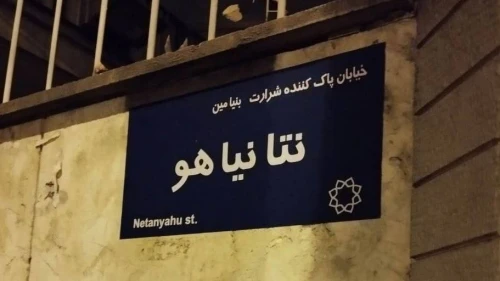
The makeshift street sign described the Israeli prime minister as “the purifier of evil.”

Talks between Witkoff and Mohammed involved making a diplomatic push toward a historic peace deal with the Jewish state.
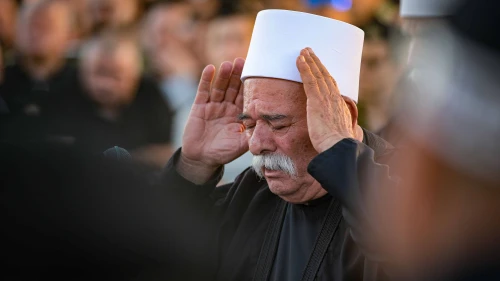
Historically loyal to the Assad regime, the ethno-religious minority fears retribution by Islamist forces that ousted the dictator.

If the European Union Aviation Safety Agency “says it’s safe,” the CEO of Ryanair said in response, “we’re not interested in what the unions or some pilot think.”

“You know what this regime is truly terrified of? It’s terrified of you, the people of Iran,” said the Israeli premier.

The symbol of power, perched on a hill near Damascus, offers a stark view of the final days of a brutal dictator.

No injuries were reported in the attack.

A new study has found “continued improvement in textbooks promoting peace, tolerance, and rejecting violence and extremism.”

Tehran has evidence that the “primary conspirator, the main planner, and the central command room” of Assad’s ouster “are in the United States and the Zionist regime.”

Hamas also condemned Israel, saying it “rejects any Zionist ambitions or schemes targeting brotherly Syria, its land and its people.”