U.S. Foreign Policy

U.S. Under Secretary of State for Arms Control and International Security Ambassador Bonnie Jenkins discusses Iran, Syria and the challenges across the Middle East.
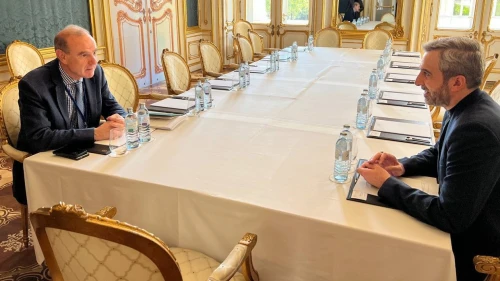
“We are advancing, and I expect we will close the negotiations soon,” top E.U. negotiator Enrique Mora told Iranian media.
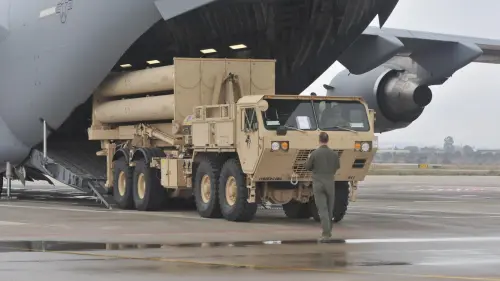
Saudi Arabia will receive Patriot missiles and the UAE will receive Terminal High Altitude Area Defense missiles to protect against Iran-sponsored threats.

The Conference of Presidents of Major American Jewish Organizations praised U.S. President Joe Biden for authorizing the “decisive” strike.
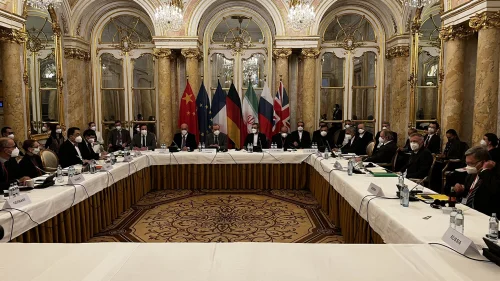
“If the deal is rejected, we risk a dangerous nuclear crisis,” warns Josep Borrell.

The company’s special mission aircraft “are active in Israel and in many countries around the world and provide an important strategic edge.”

“I want to set Israel on fire with my own hands & watch it burn to ashes along with every Israeli in it. Call it what you want to call it,” Neveen Ayesh wrote in 2014.

After a top Iranian official claims Tehran already has the ability to build an atomic bomb, analysts tell JNS that “technologically speaking, they are very, very close.”

The U.S. president’s “unprecedented visit to east[ern] Jerusalem ... was seen by many as a direct challenge to Israel’s sovereignty in its capital,” according to the Jewish state’s former ambassador to the United Nations.
Topics of discussion and agreements focused on regional security, environment, technology and energy, which many believe was the primary topic of the U.S. president’s visit in the wake of oil shortages and high gas prices.
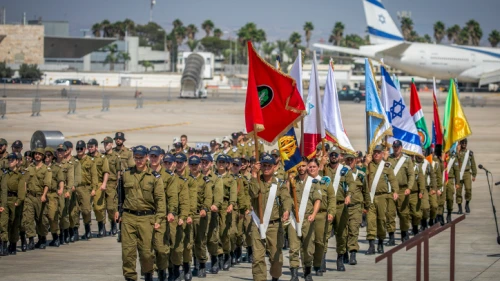
The document, the first of its kind between the two countries in decades, will be a “living testimony” to the unique bilateral relationship, say Israeli officials.

The situation “will lead to a nuclear arms race in the Middle East, which would threaten world peace. We must work together to stop that from happening,” said Israeli Prime Minister Yair Lapid.