U.S.-Israel Relations
News about governmental relations between Israel and the United States

Senior U.S. officials have said both that Israel needs a plan to protect civilians before going into Rafah and that such protection is impossible.

The Israeli prime minister and the U.S. secretary of state met in Tel Aviv to discuss the ongoing war in the Gaza Strip.

The U.S. obsession with a two-state solution clearly goes against the will of the Israeli public, and certainly does not mesh with what the Palestinians want.

U.S blacklisted seven Israelis pursuant to a Feb. 1 Executive Order • Does reveal how it determined they are “undermining peace, security and stability” in Judea and Samaria.

Senate Majority Leader Chuck Schumer said, “I welcome the opportunity for the prime minister of Israel to speak to Congress in a bipartisan way.”

The Biden administration received the written guarantees ahead of Sunday’s deadline, according to a U.S. official.

“When Democrats do things like set red lines around an offensive operation into Rafah, they are supporting the conditions that will perpetuate this terror,” Sen. John Thune asked.

“Maybe I should say Bibi should step down,” the Senate majority leader told the New York Times. “That is telling Israel what to do, and it’s in the middle of a war.”

“When you make these issues partisan, you hurt the cause of Israel,” Sen. Chuck Schumer said of Netanyahu’s address to Senate Republicans. “I gave this speech out of a real love for Israel.”

“We always did what was necessary for our safety, and we will do so this time as well,” the premier said in an address to Israeli citizens.

Iran has reportedly authorized its Lebanese proxy to launch a large-scale attack on Israel if the IDF invades Rafah; Israeli Prime Minister Benjamin Netanyahu has sworn to do so.
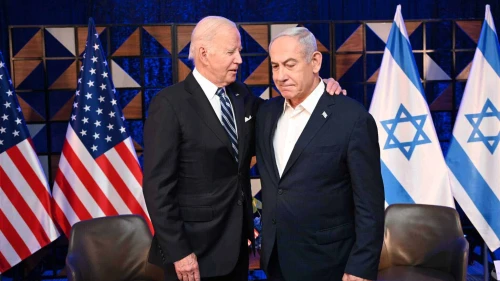
During a telephone conversation between the two leaders, Netanyahu reportedly aired grievances about Democratic Sen. Schumer’s call for early Israeli elections.