Newsletter
Newsletter Support JNS

Report: US readying new sanctions against oil tankers in Iran-Venezuela trading

The Trump administration could sanction as many as 50 tankers.

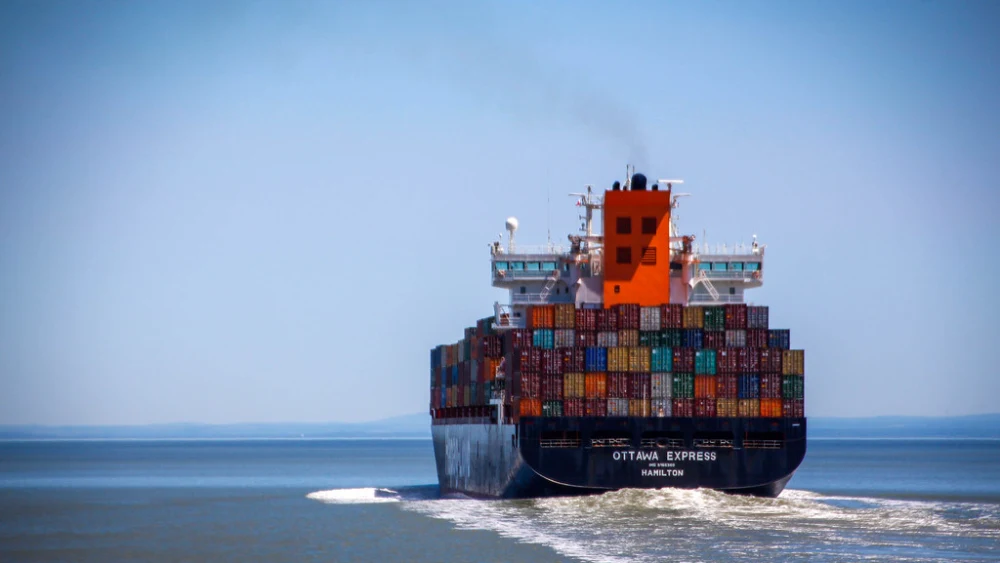
Shipping boat at sea. Credit: Flickr.

The United States is planning to expand sanctions in an effort to stymie oil and fuel trade between Iran and Venezuela, reported The Wall Street Journal on Tuesday, citing people familiar with the matter.

The Trump administration could sanction as many as 50 tankers, according to the report.

Such moves would exemplify the administration’s “maximum pressure” campaign since withdrawing the United States from the 2015 Iran nuclear deal, reimposing sanctions under it, along with enacting new penalties against the regime.

Last week, the United States sanctioned four entities and their vessels for partaking in Venezuelan oil trade.

Five Iranian tankers apparently consisting of at least $45.5 million in value of gasoline and similar items have unloaded fuel to Venezuela in recent weeks in defiance of U.S. sanctions. However, those deliveries were “just a ribbon-cutting,” one of the people familiar with the situation told The Wall Street Journal, citing that the deliveries will last the South American country, which, like Iran, has been under tough U.S. sanctions, just a few weeks.

Iran and Venezuela’s leaders have said that such shipments will continue as Venezuelan President Nicolas Máduro announced last week that he would visit Iran soon to sign agreements in energy and other sectors.

Abdulkadir Al-Jelani, 58, is due in court on July 1 and faces charges of making the threats and three counts of assault with a weapon.
The designations include Hezbollah-linked institutions that “threaten regional stability, international security, mutual interests and global trade,” the U.S. Treasury Department stated.
Gerard Filitti, of the Lawfare Project, told JNS that “lax immigration policy” has always been the main driver of importing “terrorist ideology” into the United States.
“The teachers we have, we don’t respect and support in the way that they deserve,” Paul Bernstein told JNS. “If we’re successful and we grow enrollment, that problem only gets bigger.”
“The message being sent is that you can get away with attacking someone in broad daylight because you disagree with their opinions, especially if it involves feelings about Israel,” Joshua Burt, of the Anti-Defamation League, told JNS.
“Not identifying Hamas as a terrorist organization is, I think, a failure, Marc Miller told the Canadian Press. “And not clearly stating that, for example, Hamas intended to kill Jews is, I think, an unfortunate error in curation and should be rectified.”