Newsletter
Newsletter Support JNS
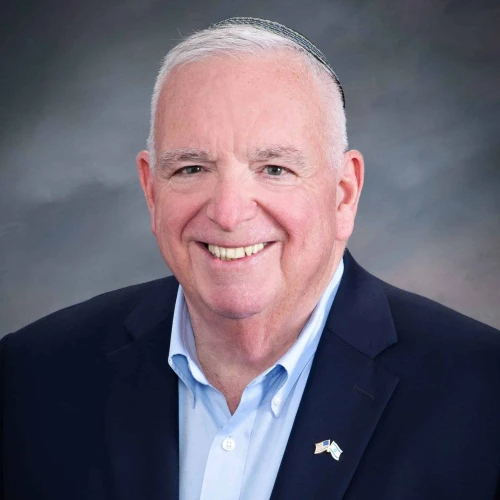
Stephen M. Flatow. Credit: Courtesy.

Stephen M. Flatow

Stephen M. Flatow is president of the Religious Zionists of America. He is the father of Alisa Flatow, who was murdered in an Iranian-sponsored Palestinian terrorist attack in 1995, and author of A Father’s Story: My Fight for Justice Against Iranian Terror. (The RZA is not affiliated with any American or Israeli political party.)
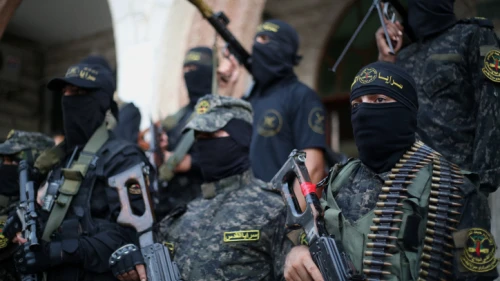
Will Washington impose consequences on countries that finance, protect or shelter terrorists, even when they are American allies?
For a people who had known expulsions, ghettos, forced conversions, restrictions, humiliation and violence across centuries of exile, that promise was revolutionary.
What was once dismissed as a fringe campus problem is no longer staying on the fringe.
The regimes testing U.S. resolve are not operating under the same assumptions as in the past.
Jewish law distinguishes between wars that are discretionary and those that are obligatory. A war of self-defense is not merely permitted, but required.
Weakening systems to stop missiles from falling down on Israel does not restrain conflict. It invites it.
Doing so represents a grim admission: A country or army lacks the manpower, legitimacy or will to rely on adults.
A case in point is the announced settlement between the U.S. government and the Iranian-linked Alavi Foundation over a Manhattan skyscraper.
The question is why the Academy Awards have become a stage for geopolitical pronouncements at all.
There is a clear line between legitimate debate and the revival of a familiar historical trope: the suggestion that Jews are manipulating great powers into wars for their own purposes.
The great post-Megillah revolution of Jewish history is sovereignty.
If Doha is confident in its role as a stabilizing partner, then it should welcome rigorous examination.