Newsletter
Newsletter Support JNS

Originally from Casablanca, Morocco, Amelie made aliyah in 2014. She specializes in diplomatic affairs and geopolitical analysis and serves as a war correspondent for JNS. She has covered major international developments, including extensive reporting on the hostage crisis in Israel.

Hamas, boycotting the negotiation session, will be “consulted” after it is over.
“We don’t know how many more opportunities we will have to reunite hostages with their families,” said Jack Lew, the U.S. ambassador to Israel.
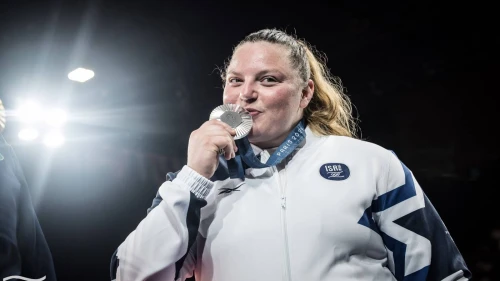
“My entire training team always gave me the feeling that I could break the glass ceiling,” said Raz Hershko.
“When soldiers arrived via helicopter from Gaza, I prayed,” said Dr. Eugene Rapaport, a cardiothoracic anesthesiologist.
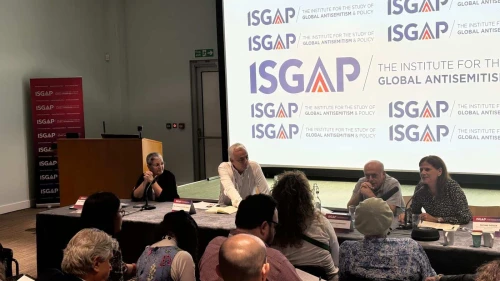
“No form of hate can be fought by the subject of the hate alone,” Michal Cotler-Wunsh, Israel’s envoy for combating antisemitism, tells JNS.
“Before I go to sleep, I think of them and hope that maybe I’d finally get a call to tell me they were rescued, We hope there will be a miracle.”
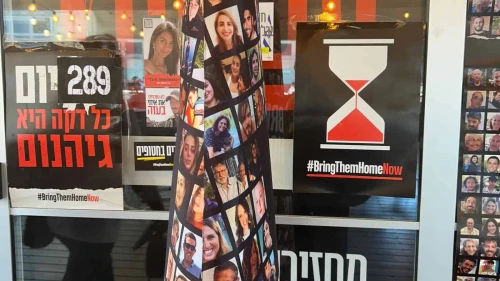
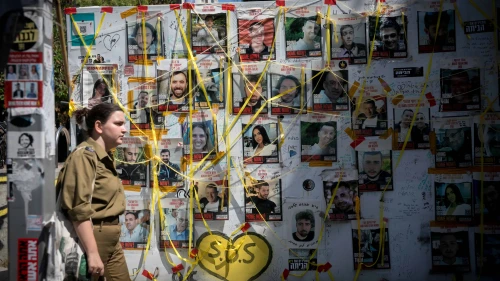
Freed hostages, relatives of captives and staff members work together to keep the hostage crisis at the center of the diplomatic and media discourse.
“I want to educate people that what has been happening since Oct. 7 is not the real Islam,” says Bahraini activist.
“The hostages must be the first priority. Then we will make sure to bring justice and take care of all the terrorists,” says cousin of Hamas captive.
Faculty members, joining from across the globe, will receive guidance in building antisemitism courses.
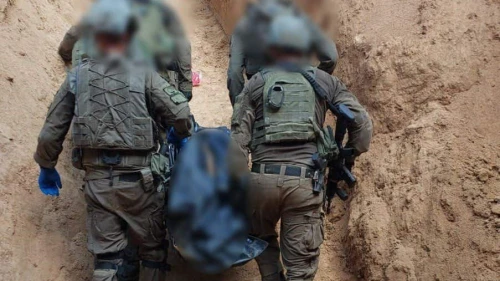
Oren Goldin, 33, Ravid Katz, 51, Maya Goren, 56, Sgt. Kiril Brodski, 19, and Staff Sgt. Tomer Yaakov Ahimas, 20, were all previously declared dead in absentia.
“I want to see Be’eri become better. I want residents to be happier. We can’t live side by side with reminders of our loss, we must continue to live our lives. The residents lost their loved ones here but at the end of the day Be’eri is our home,” says Oct. 7 survivor Sharon Shevo.