Throughout the ages, many people have laid claim to the holy city of Jerusalem. However, Jerusalem has been the Jewish people’s sole spiritual home for thousands of years. For them, the reunification of the city during the Six-Day War in June 1967 holds very special meaning.
Amid the current international pressure for a Palestinian state, hear why most Jews believe that having been united, Jerusalem can never again be divided.
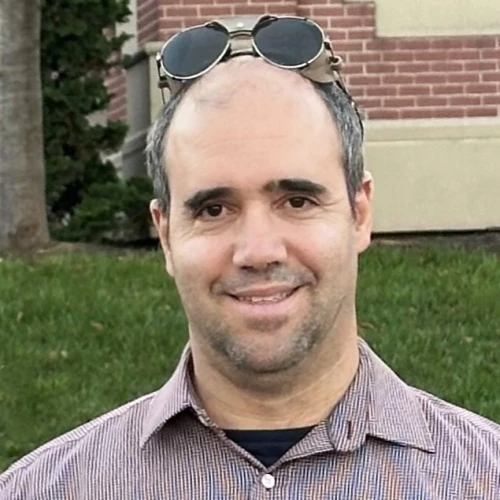
About the Speaker: Efraim Inbar is the president and founder of the Jerusalem Institute of Strategy and Security (JISS). He also serves as the head of the strategy, diplomacy and national security program at Shalem College. Inbar was the founding director of the Begin-Sadat Center for Strategic Studies, a position he held for 23 years (1993-2016).
Inbar holds an M.A. and a Ph.D. from the University of Chicago and pursued his undergraduate studies in political science and English literature at the Hebrew University in Jerusalem.
He is an expert on Israeli strategic doctrine, public opinion on national security issues, U.S. Middle East policy, Israeli-Palestinian diplomacy and Israel-Turkey relations.