U.S. President Donald Trump told The New York Post on Wednesday that he expects to meet Iranian Supreme Leader Mojtaba Khamenei at some point, as they are “getting along quite well.”
“I’d like to meet him. I’d love to meet everybody,” Trump told Miranda Devine on the “Pod Force One” show.
The president said Khamenei has “absolutely” been involved in the diplomatic talks with his administration, telling Devine that “they have a lot of respect for him.”
“They say he is giving approval, because that’s the way it has been for a long, long time. His father and then him, I guess it’s a succession. But we seem to be getting along quite well,” he added.
“I haven’t had the privilege of meeting him,” Trump said. “I’m not hearing he’s doing great. If you believe the stories he’s, you know, missing a lot of different parts.”
Mojtaba Khamenei was injured in the U.S.-Israeli airstrike that killed his father, Iranian Supreme Leader Ali Khamenei, on Feb. 28. While it is generally believed that Mojtaba is still alive, he has not appeared in public since the opening strike of “Operation Roaring Lion/Epic Fury,” and no images or audio recordings of him have been released.
Trump dismissed reports on Tuesday that Tehran had stopped talks with U.S. envoys, calling them “false and erroneous.”
Iran’s Tasnim News Agency, which is affiliated with its Islamic Revolutionary Guard Corps, had reported that the regime suspended the negotiations.
Iranian Foreign Minister Abbas Araghchi warned earlier this week that Washington and Israel would be held responsible for any violations of a temporary ceasefire arrangement, according to Iranian statements cited in regional media reports.
Trump subsequently announced a renewed ceasefire in the Land of the Cedars, following talks with Israeli Prime Minister Benjamin Netanyahu and representatives of Lebanon’s Iranian-backed Hezbollah terrorists.
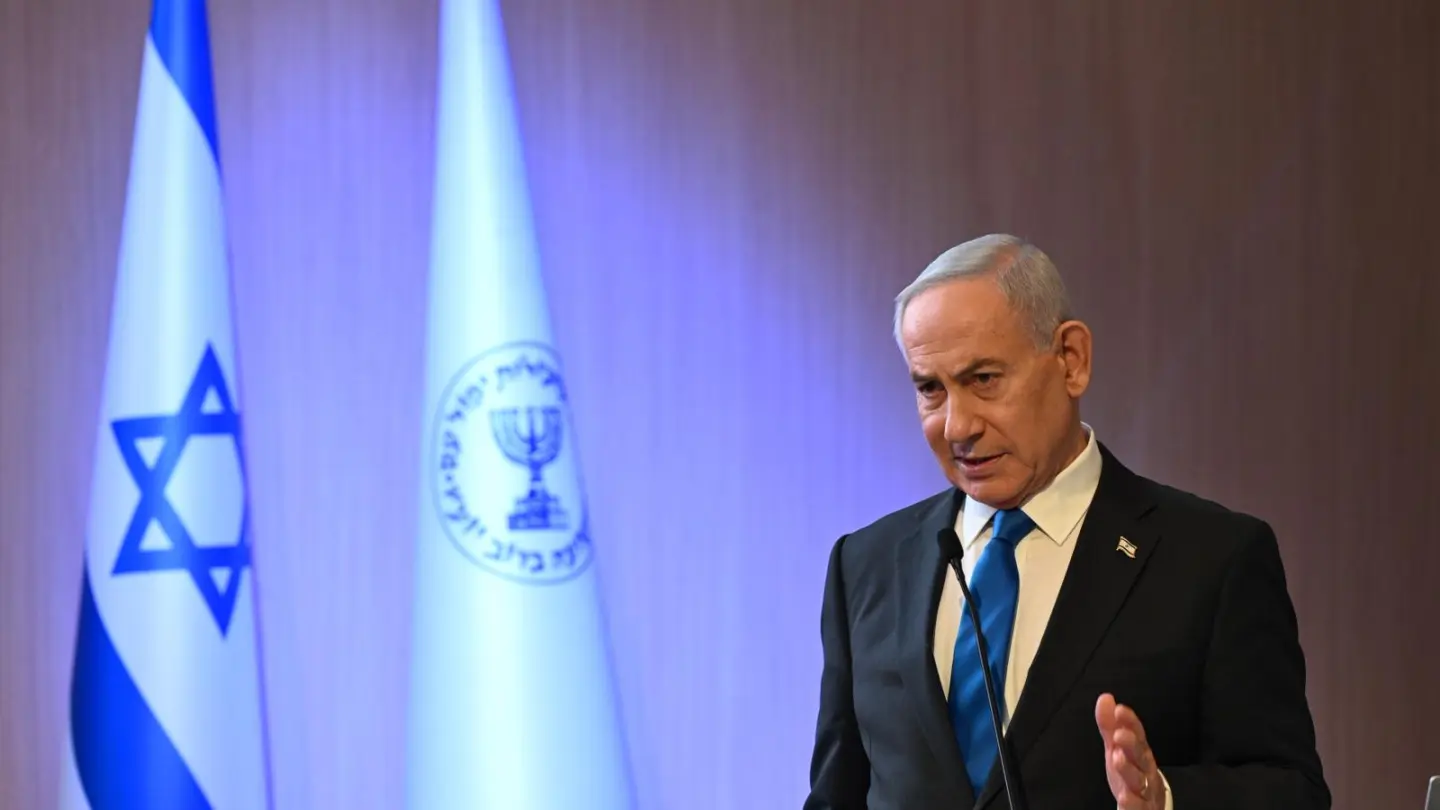
Asked by Devine on Wednesday about reported disagreements with Netanyahu, Trump said he had been “a little bit perturbed” at the Israeli leader “constantly fighting with Lebanon.”
“I said, ‘Bibi, we got to stop this,’” Trump recalled, adding that he maintains a “very good relationship” with Netanyahu and describing both leaders as operating in wartime conditions.
“I like Bibi a lot, and I’ve worked very well with him,” Trump said. “We’ve gotten along very well together.”
The remarks come amid ongoing regional tensions involving Israel, Lebanon and Iran-backed Hezbollah, alongside continued U.S. diplomatic engagement in the Middle East.