U.S.-Israel Relations
News about governmental relations between Israel and the United States

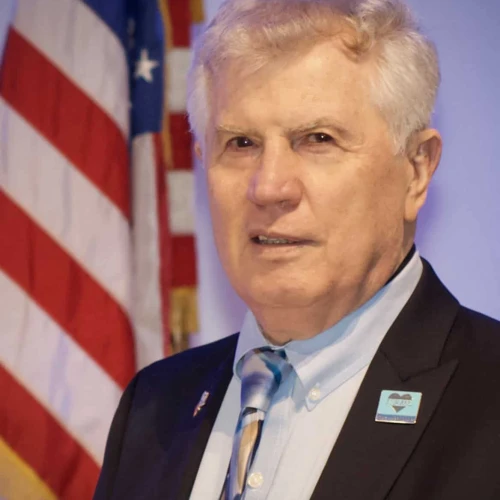
“We’ve been here, we’ve seen it, and it is evil, and we stand with Israel,” said Stephanie Hallet.

Senior U.S. and Israeli officials spoke several times on Oct. 10, the fourth day after Hamas attacked Israel, killing more than 1,000 people.

“We did not move the carrier for Hamas. We moved the carrier to send a clear message of deterrence to other states or non-state actors that might seek to widen this war,” said Jake Sullivan, the U.S. national security adviser.

Nearly two-dozen gatherings have been organized in recent days.

The U.S. Secretary of State will meet with Israeli leaders about how America can assist in the war against Hamas.

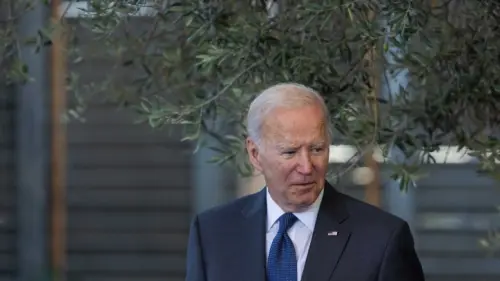
“The brutality of Hamas, the blood-thirstiness brings to mind the worst rampages of ISIS. This is terrorism, but sadly for the Jewish people, it’s not new,” the U.S. president said.
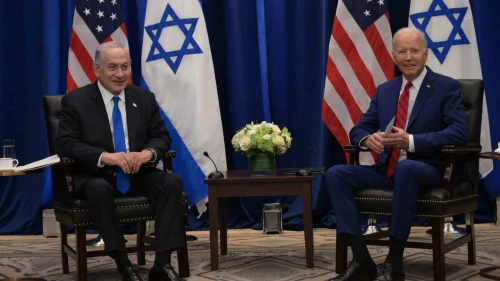
“We have to go in,” Israeli Prime Minister Benjamin Netanyahu told U.S. President Joe Biden.

“What’s important now is the international community show its solidarity with Israel. We have Israel’s back fully,” said U.S. deputy ambassador to the United Nations Robert Wood.

The decision “underscores the United States’ ironclad support for the Israel Defense Forces and the Israeli people,” said U.S. Secretary of Defense Llyod Austin.
The U.S. president and European leaders have expressed support for Israel’s battle against the terrorist group.
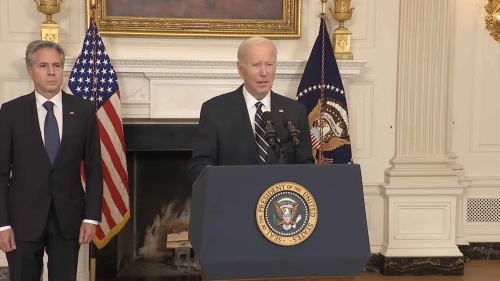
The U.S. president spoke for a little more than two minutes and did not take questions; at his side was U.S. Secretary of State Antony Blinken.
Netanyahu thanked the U.S. president for the unreserved support and made it clear that a “forceful, prolonged campaign” is necessary.