


Israel’s government decided on Monday to move ahead with a plan to disburse cash grants to all citizens to help stimulate the economy amid the COVID-19 crisis, though with a number of caveats.
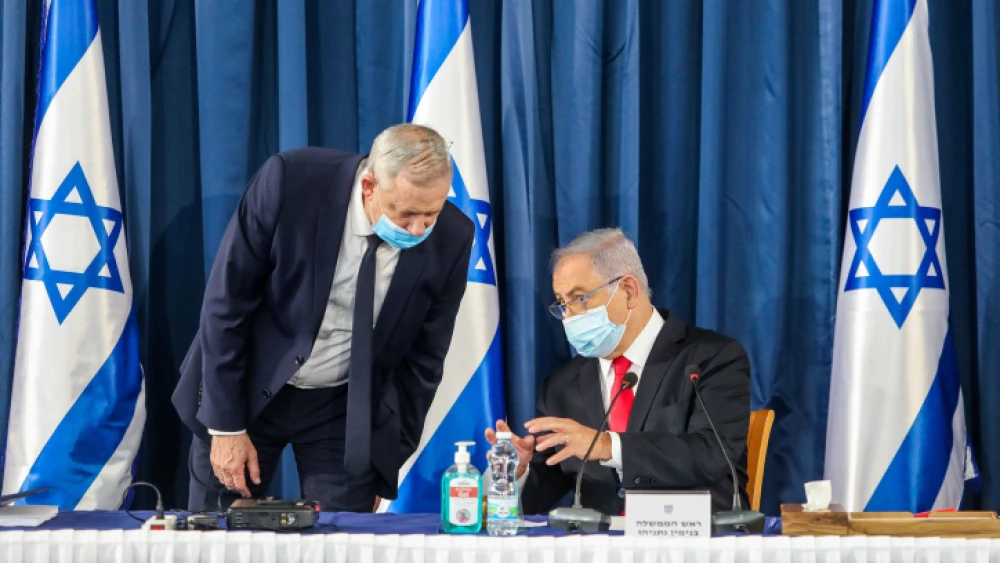
Following a meeting of Israeli Prime Minister Benjamin Netanyahu, Defense Minister Benny Gantz, Finance Minister Israel Katz and Economy Minister Amir Peretz, as well as other officials, it was agreed that NIS 6 billion ($1.8 billion) would be budgeted for the grants, which will be allocated to all citizens of Israel except for those earning more than NIS 640,000 ($186,000) per annum and senior civil servants earning more than NIS 30,000 ($8,700) per month, according to a statement from the Prime Minister’s Office.
The government also decided to keep youth programs open for the time being, with weekly assessments, the first of which was set for July 23, according to the Prime Minister’s Office.
Those receiving support payments for “convalescent care, handicapped status, income assurance, needy new immigrants (who have been in the country for at least two years), the unemployed over 67 and the elderly who receive income supplements” will receive larger grants, the statement continued, but did not specify the amounts.
Last week, Netanyahu outlined a broader economic assistance plan, which would have seen all couples with one child receive a one-time payment of NIS 2,000 ($583), rising to NIS 2,500 ($729) for those with two children and NIS 3,000 ($875) for those with three or more. Single Israelis aged 18 and over would each have received NIS 750 ($218).
But the initial plan was heavily criticized, leading to its reformulation with some restrictions to prevent government funds from being wasted.


