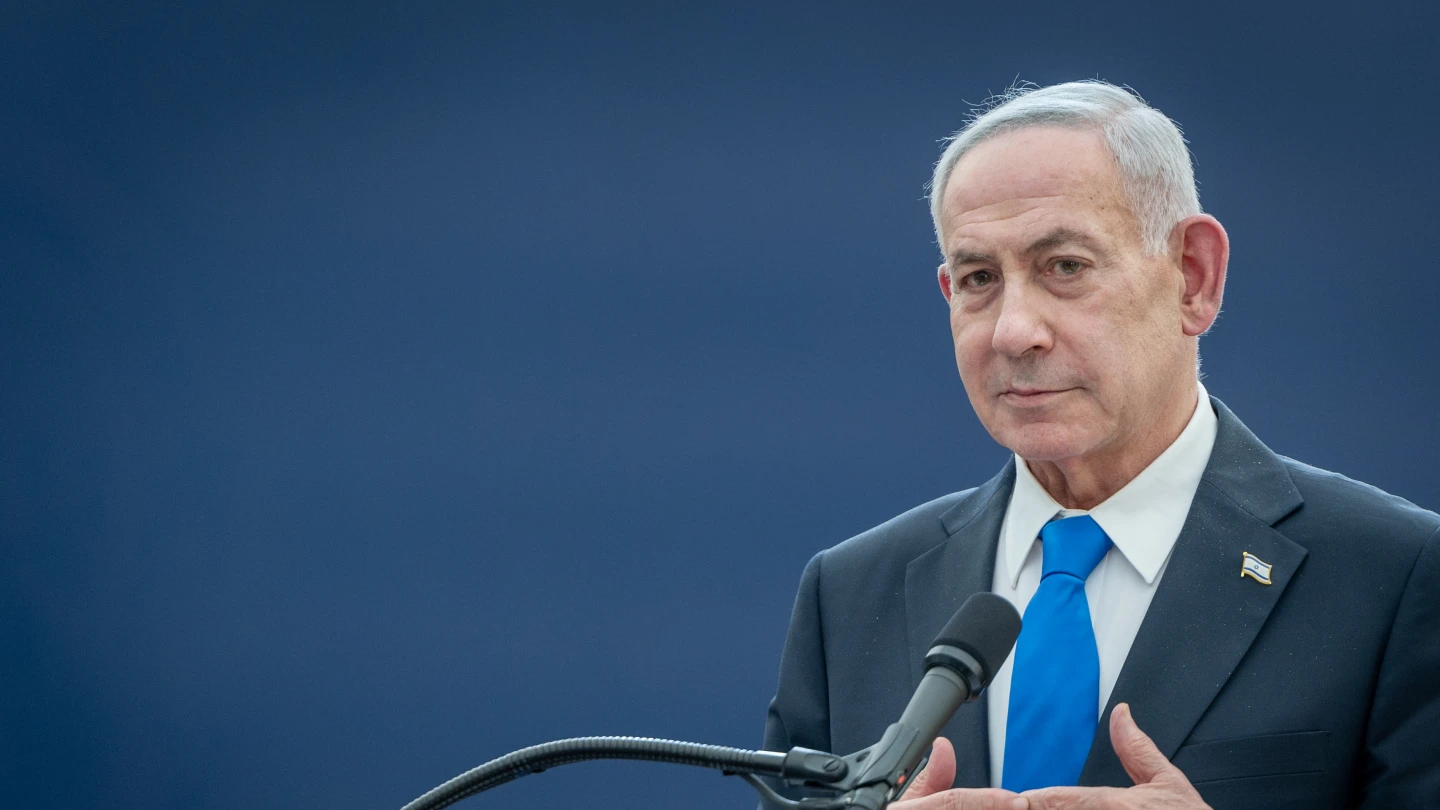
Israeli Prime Minister Benjamin Netanyahu announced a plan on Wednesday night to provide individuals and families with a government grant to help them through the coronavirus crisis and stimulate the economy.
In a televised press conference, Netanyahu said that each citizen 18 and older will receive a one-time payment of NIS 750 ($218); couples with one child will receive a NIS 2,000 ($582); couples with two children will receive NIS 2,500 ($728); and couples with three children or more will receive a NIS 3,000 ($874).
The money will be transferred automatically into the bank accounts of recipients.
“We need to get the economy moving,” said Netanyahu after pointing out that earlier in the day, 380,000 self-employed Israelis and small businesses received grants of up to NIS 7,500 ($2,185).
The money, he said, “encourages consumerism,” which has stagnated due to the fact that people are staying at home. “The moment that they begin to purchase [goods], businesses expand ... This is how the economy works: One wheel sets in motion the next wheel and the next.”
In response to the announcement, the Blue and White Party, headed by Defense Minister Benny Gantz, released the following statement: “Any economic boost for Israeli citizens is welcome, but it must be anchored in a responsible and long-term plan that will ensure their livelihood and resilience is maintained next year as well. As for the grants: Blue and White supports the transfer of money directly to citizens, but it should be done with an emphasis on those whose livelihoods have been harmed—the unemployed and families in need.”
Bank of Israel Governor Professor Amir Yaron also expressed reservations about the plan. In an interview with Army Radio on Thursday morning, Yaron said, “It is more important to assist those in need.”
He also claimed that there are “better and more efficient ways” to increase demand for goods.