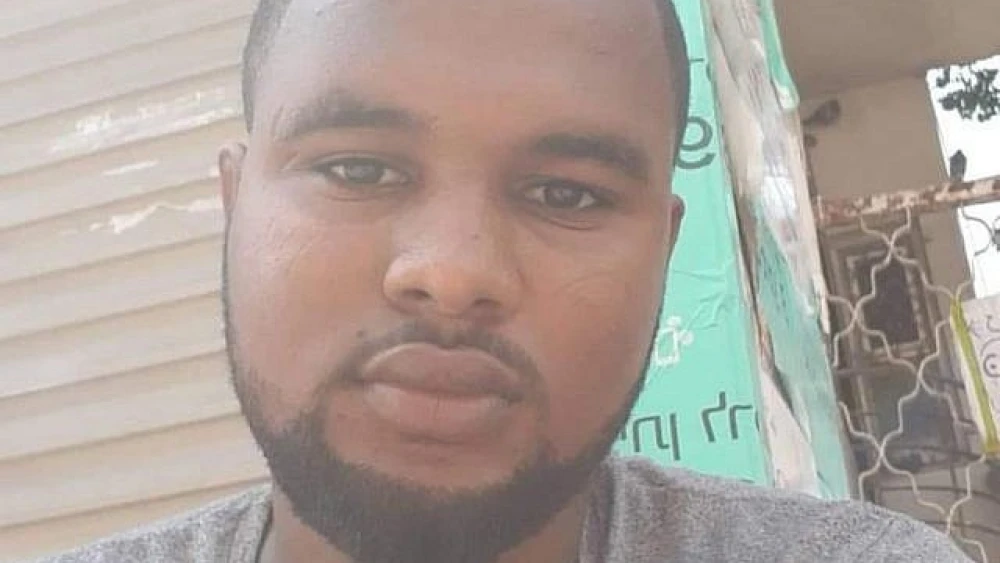
Ethiopian Israelis and their supporters took part in protests across the country on Monday, expressing their outrage over the shooting death of an Ethiopian Israeli teenager by an off-duty police officer the day before.
Nineteen-year-old Solomon Tekah was shot in the Haifa suburb of Kiryat Haim on Sunday by an off-duty police officer who had drawn his weapon during at attempt to break up a street fight.
More than 1,000 participants blocked the central Histadrut Junction outside Haifa for hours, as well as main roads in and the southern entrance to Ashdod. Additional protests took place in Rehovot, Rishon Letzion, Netivot, Beersheva and Ashkelon. Police attempted to reroute traffic, but allowed the demonstrations to continue.
The officer who shot Tekah says he believed he and his family were in danger at the time of the incident, a claim that has been refuted by an eyewitness. The officer also claimed that he aimed towards the ground; however, that the bullet ricocheted and hit Tekah, according to Israel’s Channel 12 news.
The officer was taken into custody on suspicion of murder and subsequently placed under house arrest.
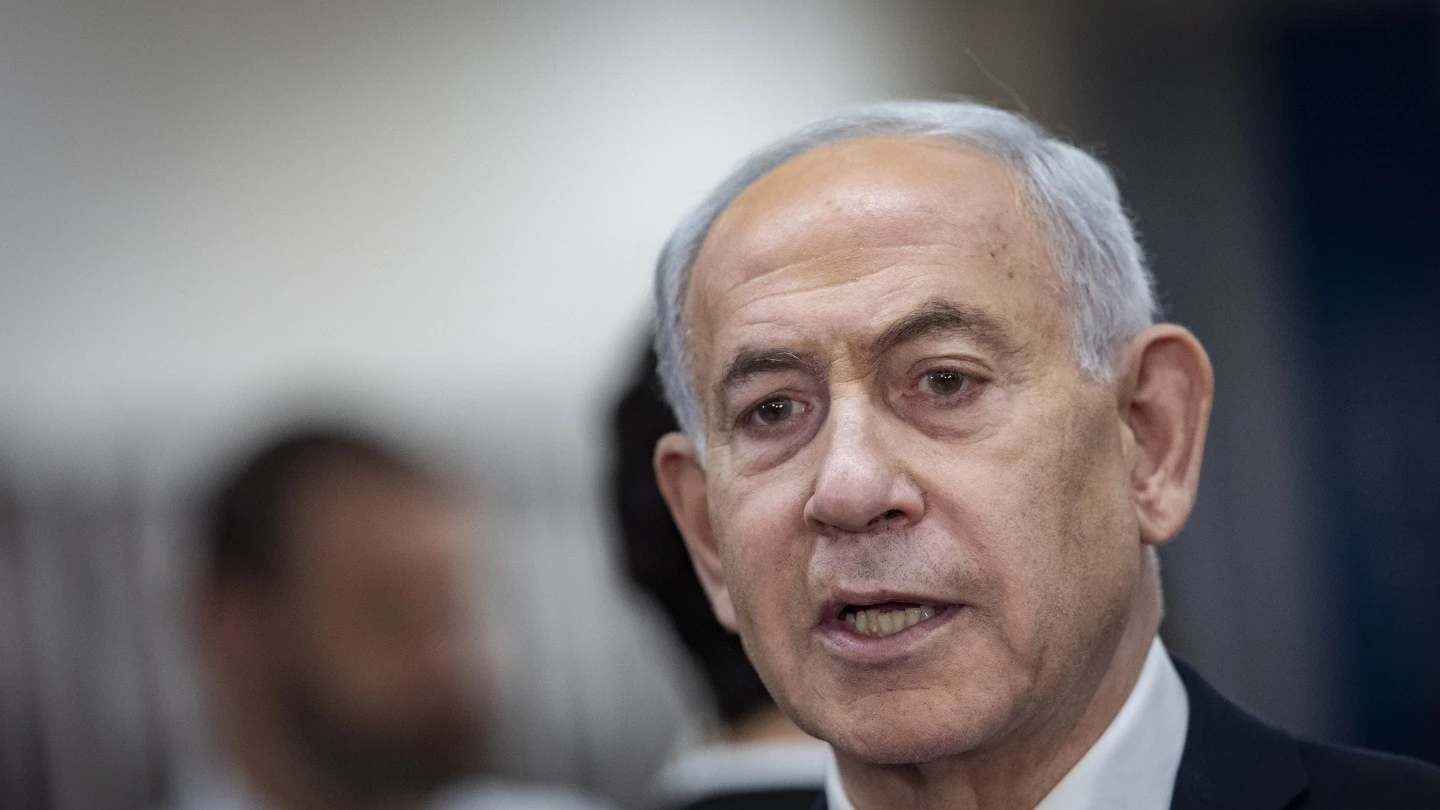
Israeli Prime Minister Benjamin Netanyahu expressed his condolences, calling the killing a “tragic loss of life,” and adding that the acting police commissioner had assured him “we will make a great effort to reach the truth as quickly as possible.”
“The Ethiopian community is dear to us all,” continued Netanyahu. “We made a big effort in recent years to integrate it fully in Israeli society, and we have much more work to do.”
The first wave of Ethiopian immigration to Israel occurred in 1984, and another followed in 1991. Since then, many Ethiopian Israelis have struggled to integrate into Israeli society, with leaders accusing police of maintaining racist attitudes towards the community.