Jewish and Israeli Holidays
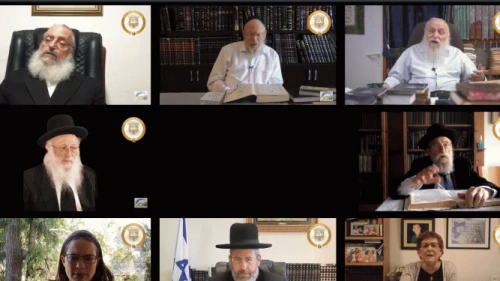
Nearly 200 Torah personalities from across the Jewish religious spectrum shared their unique perspectives in a “Jewish Unity” event.

The statement did not specify what the new attendance limit would be, and the ministry has yet to officially announce any change in policy.

“Hidden” details the saga of Jewish children concealed during the years of World War II and the Holocaust, when tens of thousands of them took on new identities to attempt to survive Nazi Germany.
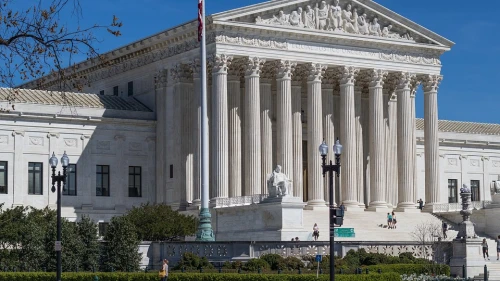
Title VII of the Civil Rights Act of 1964 prohibits discrimination based on race, color, religion, sex or national origin.
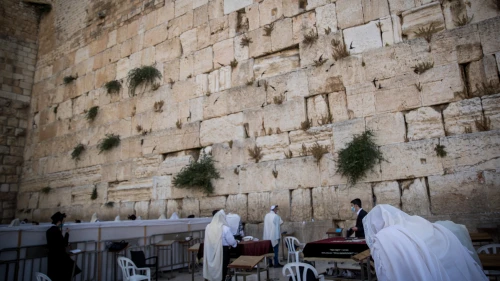
“Just like after the temples were destroyed we formed new ways of worship, now we are learning Torah and even making shiva calls online. If the virus can travel, so can Jewish life,” says Rabbi Jack Riemer.
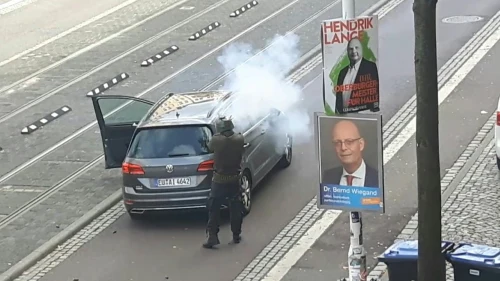
Nine months after the Yom Kippur attack on the small Jewish community in Halle, Germany, local leaders say anti-Semitism is only getting worse.
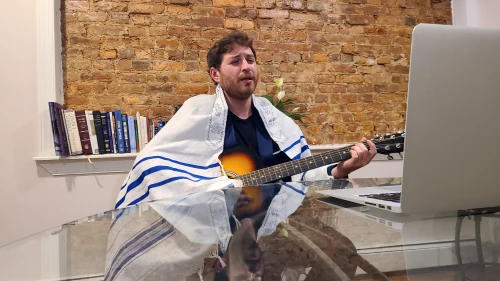
Something that appeared to be a sound solution at first is getting old. Still, some question whether worshippers will be running to synagogue doors once they open.

A rabbi on the global coronavirus pandemic, the holiday of Shavuot, the sacred cycle of the Jewish calendar and a core (at least one) truth.
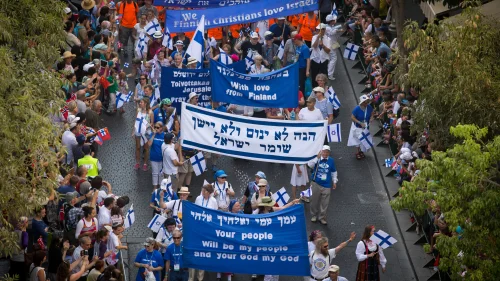
“Faith-based diplomacy is the most important weapon we have in our arsenal today,” said Josh Reinstein, president of the Israel Allies Foundation.

Pantry Packers, largely staffed by volunteers, will distribute more than 100,000 food packages across Israel for the holiday.

“They’ve made it home, and I’m extremely moved,” said newly minted Minister of Aliyah and Integration Pnina Tamano-Shata.
With the coronavirus having halted travel to Israel for months, being in Jerusalem to commemorate the day it was liberated and reunited in 1967 is a far-off dream for Jews in the Diaspora—for now, at least.