This week, we marked the 50th anniversary of the Yom Kippur War. The war’s hold on Israeli society remains as powerful as ever—in fact, maybe even more powerful than ever.
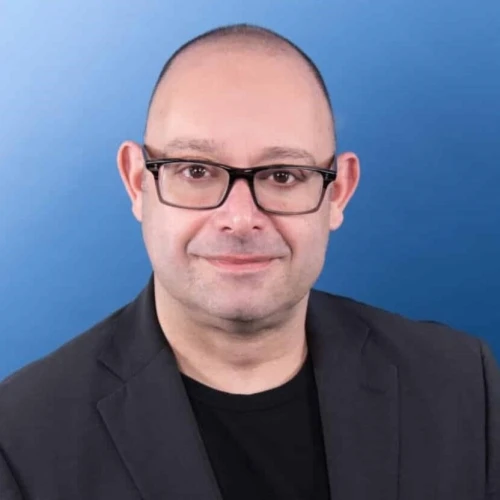
To discuss the way that the war impacted the men who fought it and generations of Israeli leaders who have grappled with it ever since, the guest on this week’s “Caroline Glick Show” is Israel Defense Forces Maj. Gen. (res.) Gershon Hacohen.
They begin their discussion by considering the radical left turn taken by some of the greatest heroes of the war. The same men who saved Israel on the battlefields in the Sinai Peninsula have become agents of demoralization, claiming that war serves no purpose and that no matter what comes, Israel will have to surrender to the 1949 armistice lines, so it might as well just do so now.
From there, they moved to Egyptian President Anwar Sadat’s war plan, as he expressed it to his generals on the eve of the invasion. Sadat said explicitly that the purpose of the war was to demoralize Israel’s military and political leadership, as well as force them to surrender the Sinai Peninsula, which Sadat recognized Egypt would never be able to conquer.
In between, Glick and Hacohen discuss the way that the United States hid its prior knowledge of the Egyptian-Syrian invasion from Israel in the days before the war. It is counterintuitive that the warfighters and leaders who won the war against great odds walked away demoralized and convinced of the futility of defeating Israel’s enemies. It also remains counterintuitive that after America operated in bad faith—rather than deciding to limit Israel’s dependence on the United States—the IDF and Israel’s political leadership chose to massively expand Israel’s strategic dependence on Washington.
The two end their conversation by considering how Israeli society has changed since 1973, and how those changes are playing out on the streets and in Knesset today, with Hacohen expressing his optimism about the direction the country is heading.