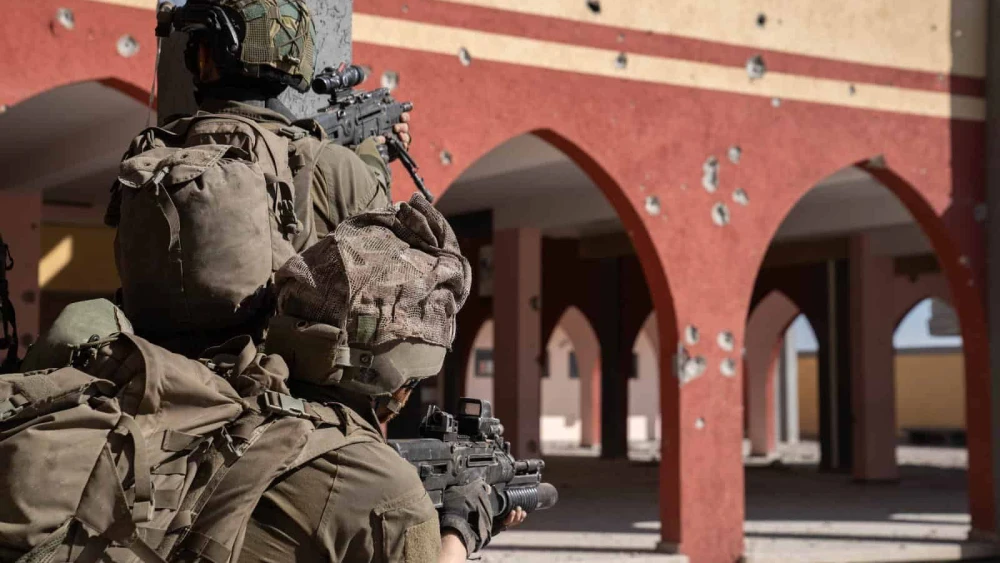

The IDF has overall performed really well in the fighting in Gaza in comparison to how other militaries have fared in dense urban warfare against Muslim terrorists. (Anyone who wants to imagine the nightmarish future of Europe and some parts of America can look to battles in Gaza, Iran and Chechnya against a rooted Islamist insurgency operating amid a supportive population.)
However the underlying problems that led to the strategic errors on Oct. 7 remain. First, communications are bad. Lives continue to be lost because information is not getting where it needs to go. The various moving parts of Israel’s large military operation are not in sync. That was catastrophic on Oct. 7, slowing and confusing the response, with horrifying results.
It’s still an issue.
The larger issue though is that while Israel excels at offense, it’s bad at defense, while Hamas (like most terrorists) operates by learning the Israel Defense Forces’ patterns, finding weak spots and then exploiting them.
Terrorists don’t defend, they become mobile, they blend into the civilian population and then pop out again to carry out attacks.
This time around (unlike previous attacks on Hamas), Israel is actually thinking about how to eliminate Hamas infrastructure and control territory on the ground. That’s important, but it also creates patterns and can put IDF soldiers on the defensive.
To retake Gaza, the IDF leadership needs to think deeply about the lessons of the United States in Iraq and Afghanistan, and Israel’s own lessons in Lebanon where terrorists were initially weak, but focused on staying in the fight and maintaining continued attrition. That’s the Hamas game plan in Gaza. To beat it, Israel needs to operate offensively, avoid predictability and focus on keeping Hamas on the defensive so it can’t regroup and carry out attacks.
This is where the proposals for any kind of truce, let alone a proposed two-month pause to the fighting in exchange for the hostages, are disastrous. We’ve already seen the consequences of giving Hamas any time to regroup. In exchange for the release of some hostages, Hamas was able to move other hostages and its military assets, regroup and launch new attacks.
Victory means pushing Hamas. The more breathing room the terrorists have, the more they can settle into a new routine of pop-up attacks, studying and exploiting IDF patterns, scoring occasional victories, damaging morale and building up pressure for an Israeli withdrawal.