Vulnerable. That’s the word that defines world Jewry as 2025 draws to a close.
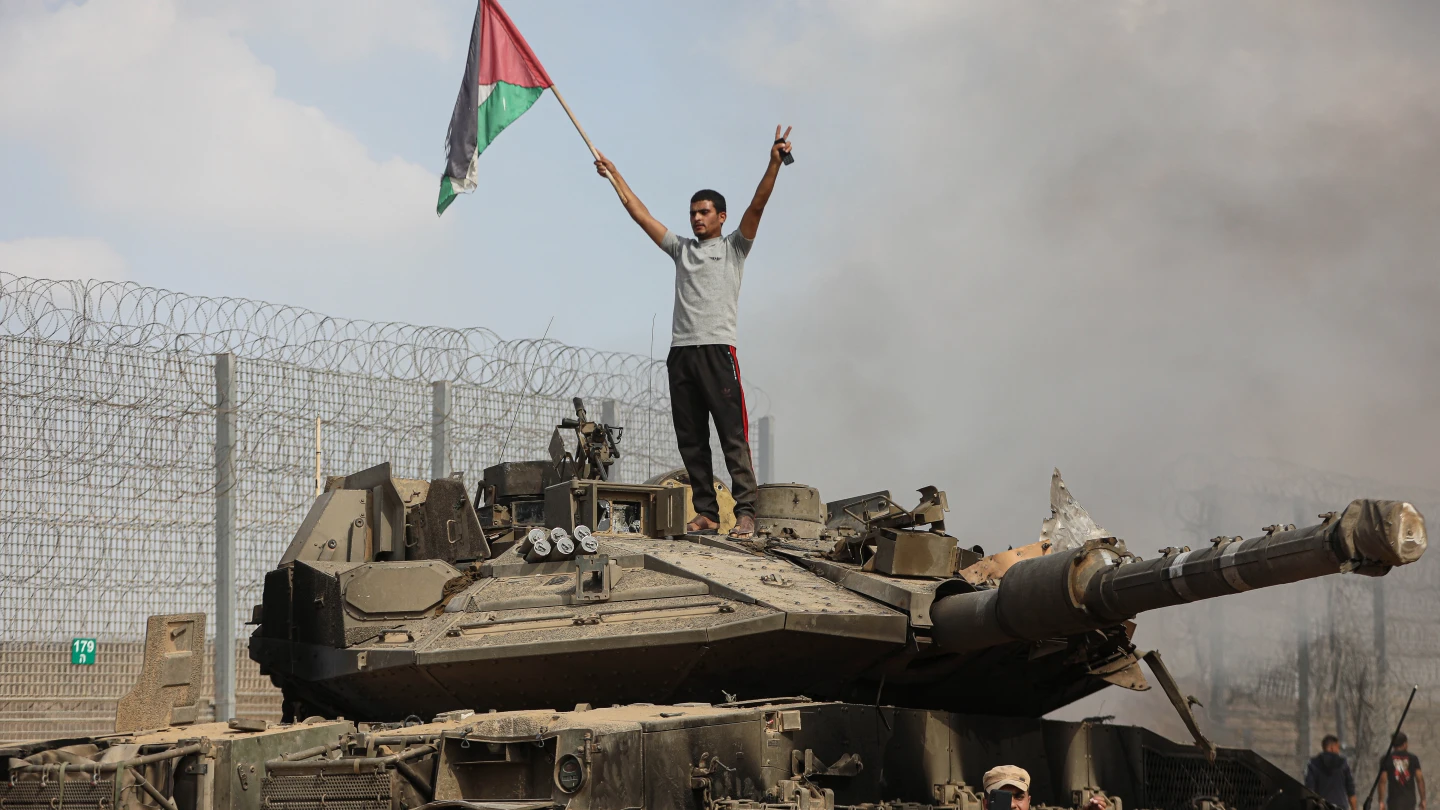
In Israel, exuberance follows stunning military victories over Iran and Hezbollah, and the joyful rescue of hostages. The return to normal has reawakened the “anyone but Bibi” camp, hoping again to unseat the prime minister. Yet Israelis remain uneasy. Hamas still lurks, armed and dangerous, in parts of the Gaza Strip; Iran continues its ballistic-missile program with openly hostile intent; and Hezbollah struggles to rebuild.
Many worry about U.S. President Donald Trump’s impulsiveness and whether he might pressure Israel politically, even though, if he were to run for prime minister, he would likely win in a landslide, even against Netanyahu. Despite the optimism, Israel remains deeply traumatized by war. Life in Tel Aviv pulses at full speed again, but beneath the surface is a yearning for quiet—and for a more peaceful normalcy. Israelis dream of vacations now that low-cost airlines like Wizz Air promise to make Ben-Gurion International Airport a global hub.
For Jews in Australia, the “Lucky Country,” that historic sense of security has been shattered. From the arrival of eight Jewish convicts on the First Fleet in 1788, Jews in Australia felt relatively safe—until now. In the past two years, that security has turned to fear. The Australian government’s recognition of a so-called “Palestinian state” was seen by many as a reward to Hamas. Massive rallies filled Sydney’s iconic Harbor Bridge with chants of “Globalize the intifada” and calls to “Kill the Jews” while participants waved Hamas flags. Some officials even joined the protests, while few condemned them. Fueled by a virulently anti-Israel policy, antisemitism erupted—a synagogue firebombed in Melbourne, physical assaults and open threats to a Zionist community.
The horror peaked on Bondi Beach on the first night of Chanukah, when Islamic terrorists murdered 15 men, women and children. But rather than respond with the familiar platitudes—appeals to multiculturalism, tolerance or reminders of Jewish civic virtue—Australian Jewish leaders did something different. They spoke with pride and moral clarity, proclaiming that the Seven Noahide Laws—the universal Jewish values of justice, decency, belief in God and kindness—could enrich the broader Australian society.
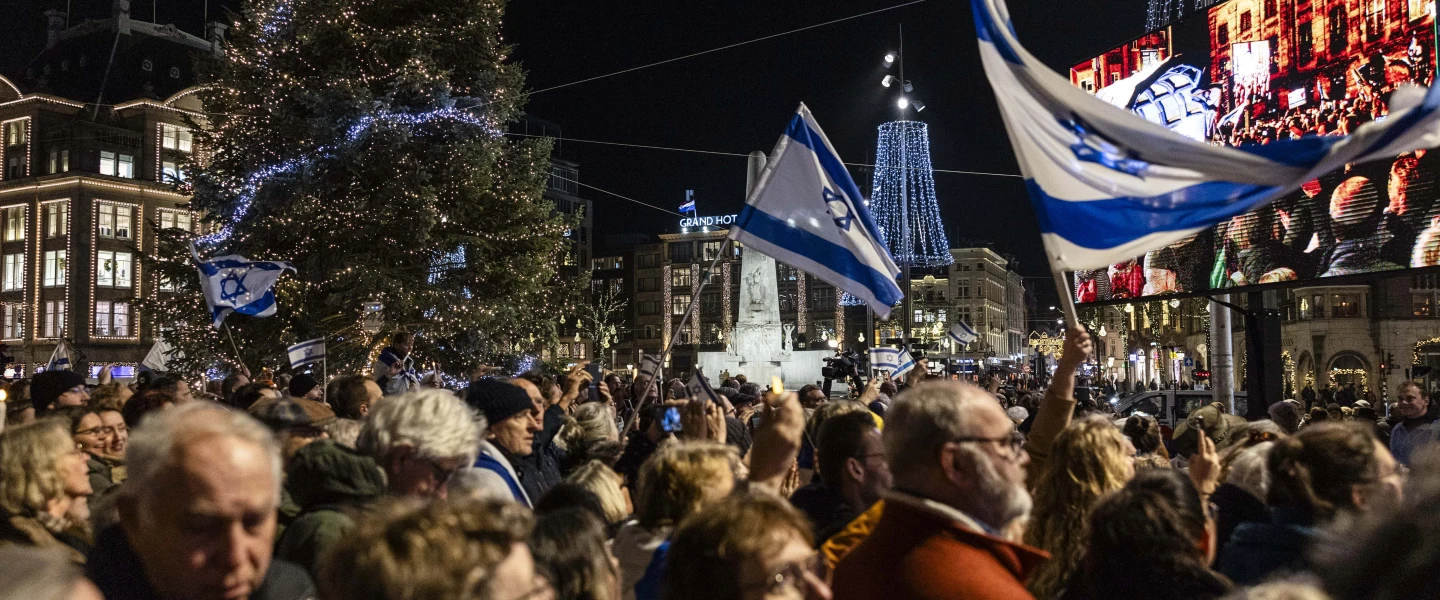
Their courage inspired a vigil in Bondi on the last night of Chanukah with as many as 20,000 attendees, many of them non-Jews, broadcast live across the country by network TV instead of the regular prime-time fare. Criss Simms, premier of New South Wales, launched a campaign called “A Million Mitzvot,” declaring that “the rabbis of Sydney are so persuasive; let me tell you what a mitzvah means.” The governor general and other national leaders echoed the call. The Bondi attack is becoming a societal turning point as Australians begin to question whether importing radicals who seek to “globalize the intifada” threatens not only Jews but the very fabric of their nation.
Jews in Canada, the United Kingdom and Europe now ask whether Bondi is a preview of what’s to come. Many of their governments mirror Australia’s troubling tilt toward Hamas sympathies, leaving local Jewish communities uneasy. Jews in Hungary and Poland, however, feel secure under governments that have resisted unrestricted immigration and rising Islamic extremism. In Ukraine, the suffering continues amid an unwinnable, grinding war. Ironically, in Russia itself, despite President Vladimir Putin’s immoral war, Jewish life remains surprisingly protected and even prosperous.
In the United States, Jews also feel vulnerable, though less so than their Australian and European cousins. Still, new threats appear on both right and left. In New York, the incoming anti-Israel mayor, Zohran Mamdani, has prompted many to consider joining the growing exodus to Florida—the “Sunshine State” that now boasts thriving Jewish communities, lower taxes, affordable housing, education vouchers and an even more vibrant Jewish life.
Yet despite mounting pressures, Jewish life in America continues to flourish. American Jewry can take pride in its overwhelming support for Israel since Oct. 7, 2023—sending billions in aid, and filling Birthright and teen Israel trips during the conflict and after it subsided. A recent Jewish Federations of North America study revealed a “surge” in Jewish engagement, with Chabad serving as a primary gateway. According to the report, 82% of those active in Chabad strongly support Israel, compared with just 32% of Reform Jews who say they are Zionist.
Meanwhile, liberal movements continue to struggle with synagogue mergers and closures. The Conservative movement again lowered its standards by apologizing for opposing intermarriage—echoing the past compromise of permitting driving on Shabbat, which drove many members farther from synagogues.
American Jewry would do well to learn from Australia, which, despite its recent tragedy, remains one of the world’s most successful Jewish communities: intermarriage below 20%, day-school attendance near 80% and the highest per capita giving for Israel anywhere on earth.
Jews today truly have much to celebrate. Israeli strength, innovation and vitality inspire people everywhere. A century and a half ago, most Jews lived under despotic monarchies: in Russia, confined to the Pale of Settlement, as if today’s American Jews were regulated to live only in Kansas and could visit Chicago only by permit. In the Arab world, from Iran to Iraq to North Africa, Jewish life was tightly restricted. Today, by contrast, the overwhelming majority of Jews live in democratic societies with full rights and opportunities.
This freedom and abundance create new challenges. No longer forced inward by persecution, Jews must now find purpose and meaning within prosperity. As I told a staunch Republican last week, whose grandchildren receive no Jewish education: “If they don’t learn the wisdom and beauty of Torah, one day they’ll vote for the next Mamdani.” Antisemitism, though dangerous, is not our greatest threat. The ultimate challenge remains transmitting Jewish values.
You cannot inherit Torah. Each generation must rediscover it for itself. In the darkest days of communism, when Jewish schools in Russia were shut down, Rabbi Yosef Yitzchak Schneersohn—the sixth Lubavitcher Rebbe—risked his life to build an underground educational network. He understood that Jewish education was the key to the Jewish future. That truth remains unchanged today. Basketball at the Jewish Community Center and Holocaust remembrance are valuable, but they are not enough. Unless the next generation appreciates the wisdom of Torah and sees its relevance, our people will lose the heart of what it means to live as Jews.
As we usher in a new year, we should realize that while the rising threats of antisemitism cause us the greatest anxiety, the true challenge is internal, ensuring the next generation sees the wisdom and value of our tradition that reaches back to Sinai.