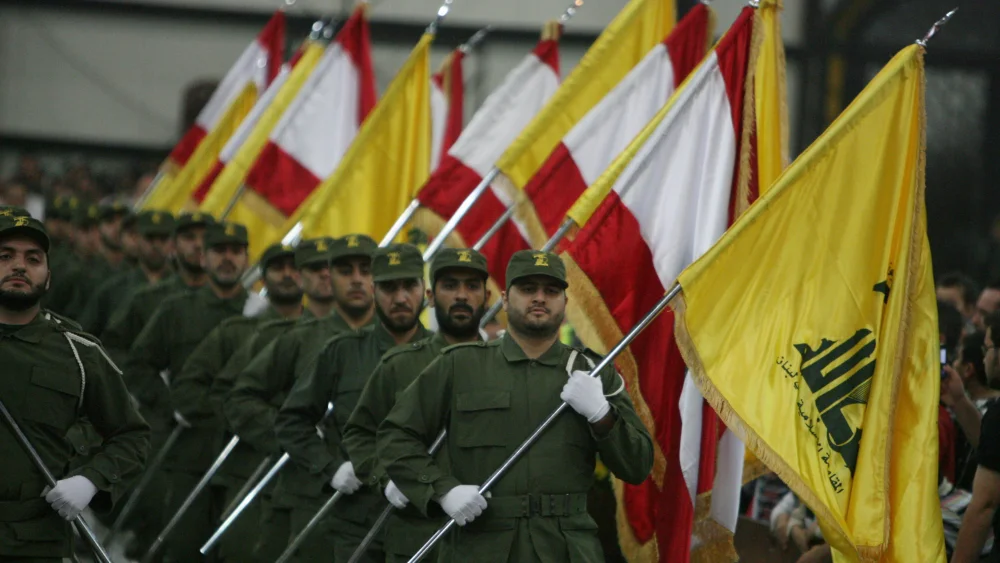
The coronavirus pandemic has put Hezbollah in a complex and sensitive position. Immediately after the first infected individuals were identified in Lebanon, Hezbollah was accused of conveying the disease to the country from Iran. Air traffic from Tehran to Beirut had continued without letup as Lebanese students and their families fled the universities in Iran, particularly the madrasas of Qom where thousands of Lebanese study, and returned to Lebanon without being checked or quarantined, thereby spreading the disease from Iran to Lebanon.
These accusations sparked fear as well as intense anger at Hezbollah, which claimed that the virus had broken out in the Jesuit monasteries of Beirut and Bikfaya. Hezbollah thereby sought to place the blame at the door of Lebanon’s Maronite Christian community.
Hezbollah Secretary-General Hassan Nasrallah, who has given several speeches over the past few weeks, stated unequivocally that the responsibility for handling the virus in Lebanon belongs to the Lebanese state and the Lebanese government. That means all residents of Lebanon, including Hezbollah members and their families, must comply with the directives of the Lebanese Health Ministry, which is headed by a Hezbollah-affiliated minister.
Meanwhile, Hezbollah declared a state of emergency in its ranks and came up with an emergency plan to assist the Lebanese government that includes:
• 1,500 physicians, 3,000 nurses and paramedics, 5,000 medical team members and 1,500 workers to provide field services. The full medical team, including logistics personnel and medical services, will number 24,500 people.
• An operations room in which teams from various disciplines will work together to manage the outbreak.
• The opening of two Hezbollah hospitals under Hezbollah’s aegis.
• The opening of private hospitals that had been closed.
• 100 specially equipped ambulances.
• The setting up of special committees in villages, towns and urban neighborhoods to assist the medical teams.
• The use of Hezbollah’s medical emergency capabilities, which are designed for war against Israel.
• Preparation of the ventilators possessed by Hezbollah’s military forces.
• The opening of bank accounts at Hezbollah’s institute for loans to provide relief to owners of businesses who have been hard hit.
In the wake of the crisis, Nasrallah has appointed Hashem Safi al-Din, head of Hezbollah’s Executive Council (a kind of Hezbollah prime minister and No. 2 in the movement) to craft and implement the emergency plan. Nasrallah thereby underlined the importance he assigns to the issue.
The coronavirus crisis offers a rare opportunity for Hezbollah to present itself as a Lebanese movement that acts on behalf of the Lebanese state. Presumably, most of Hezbollah’s aid will be directed to the Shi’ite regions of Lebanon, which are also the regions that support the movement.
Still, it should be borne in mind that, at the same time that Hezbollah has committed itself to help the Lebanese state deal with the coronavirus pandemic, hundreds of Hezbollah fighters are up to their necks in the war in Idlib, Syria, which continues to inflict losses on Hezbollah and spark outrage among the Shi’ite community. The most critical voice continues to be that of Sheikh Subhi al-Tufayli, Hezbollah’s first secretary-general, who recently declared that fighting under Russian President Vladimir Putin’s flag in Idlib is forbidden by Sharia law.
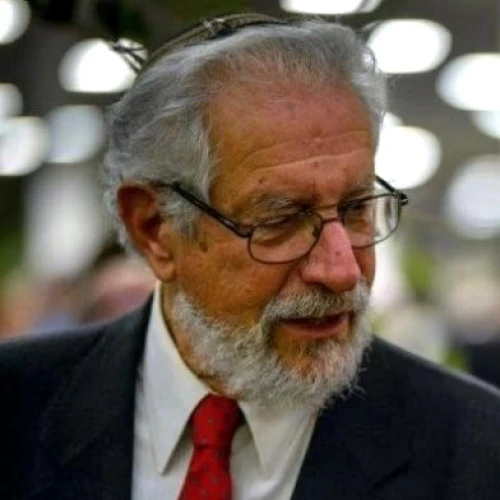
IDF Brig. Gen. (ret.) Dr. Shimon Shapira is a senior research associate at the Jerusalem Center for Public Affairs. He served as Military Secretary to the Prime Minister and as Israel Foreign Ministry chief of staff. He edited the Jerusalem Center eBook Iran: From Regional Challenge to Global Threat.
This article was first published by the Jerusalem Center for Public Affairs.