Newsletter
Newsletter Support JNS

‘Plastic-bag’ law in Israel slashed bag waste in 2017

Officials said the new regulation led to an 80 percent drop in the use of single-use grocery bags and saved more than 7,091 tons of non-recyclable plastic in just one year.

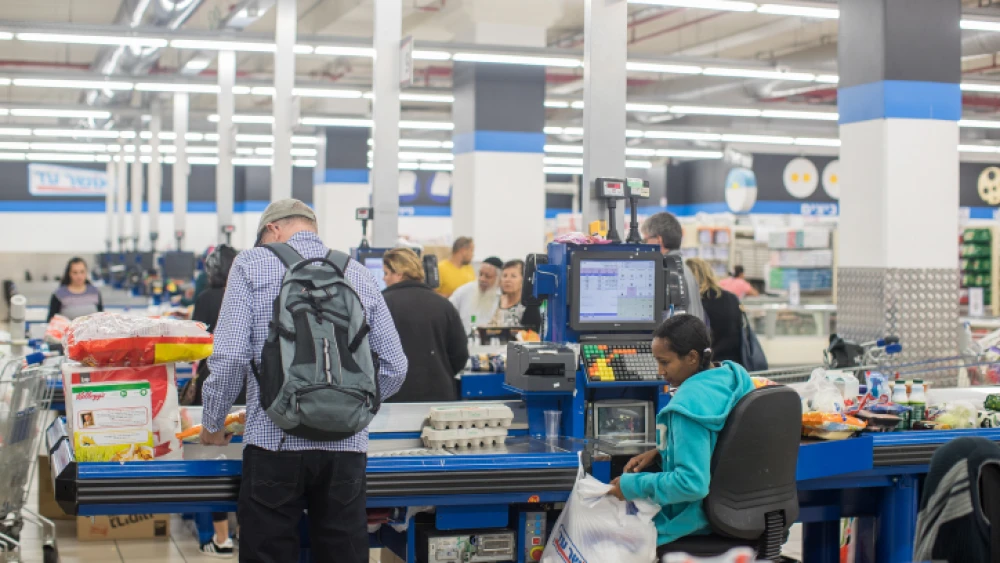
Shoppers in Osher Ad Supermarket branch in Talpiot, Jerusalem, on Nov. 12, 2017. Photo by Yonatan Sindel/Flash90.

The Environmental Protection Ministry lauded the success of a “plastic bag law” that has led to a drastic drop in the use of plastic grocery bags by Israeli consumers.

A law went into effect on Jan. 1, 2017, which required supermarkets to charge customers 10 agurot (2.8 cents) per plastic bag. Consumers were encouraged to buy large, multi-use bags for shopping, which were also to be made available at grocery stores, and thereby avoid paying the small additional cost.

Officials said the new regulation led to an 80 percent drop in the use of single-use grocery bags and saved more than 7,091 tons of non-recyclable plastic in just one year. Plastic-bag usage accounted for approximately 7 percent of Israeli waste prior to the legislation, according to the ministry.

Sgt. Noam Hamburger, 23, was a technology and maintenance specialist in the IDF’s 401st Brigade.
“We are in the stage of finalizing this memorandum of understanding, focused on ending the war,” the Iranian Foreign Ministry spokesman said.
We would encourage him to self-deport before he is never ⁠given a chance to return, Department of Homeland Security spokesperson says.
The IDF will continue to remove any immediate threat, the army said.
The Iraqi militia commander was extradited to the U.S. from Turkey over connection to terrorist attacks on Jewish targets.
To bring about the terrorist organization’s complete collapse, Israel must employ both civilian and territorial leverage.