For Israelis, the signs are unmistakable. Sirens have not yet sounded, but the psychological preparation has begun.
Phones at Israel’s Home Front Command reportedly rang nonstop after former military intelligence chief Amos Yadlin said that he would think twice before flying abroad next weekend. In Israel, such a statement is not gossip—it is a warning. Israelis understand that wars here rarely begin with declarations. They begin with converging signals.
And the signals are aligning.
While diplomats speak of negotiations, Iran conducts naval drills in the Strait of Hormuz along with Russia and China. While Tehran’s foreign minister, Abbas Araghchi, speaks in Geneva about enriched uranium, its Supreme Leader, Ali Khamenei, insists ballistic missiles are not open for discussion. While talks continue, threats multiply—against America, against Israel, against the West itself.
Diplomacy is functioning less as a path to agreement and more as strategic camouflage.
The United States seeks three items on its agenda: an end to the nuclear threat, an end to ballistic missiles and an end to Iran’s regional proxy warfare—namely, Hamas, Hezbollah and the Houthis. Iran only offers a discussion of uranium enrichment, the one issue most useful for buying time.
This is not negotiation, but rather a delaying tactic.
Meanwhile, the military theater expands. The temporary closure of the Strait of Hormuz during exercises was not symbolic. Rather, it was a demonstration of leverage over the world’s energy supply and a message to Washington: escalation will be global, not regional.
The Iranian regime understands something essential about Western psychology—the fear of war often outweighs the fear of surrendering strategic ground. Tehran’s leaders are wagering that diplomacy can be stretched long enough to cross the nuclear threshold while avoiding a decisive response.
But American credibility is now directly involved.
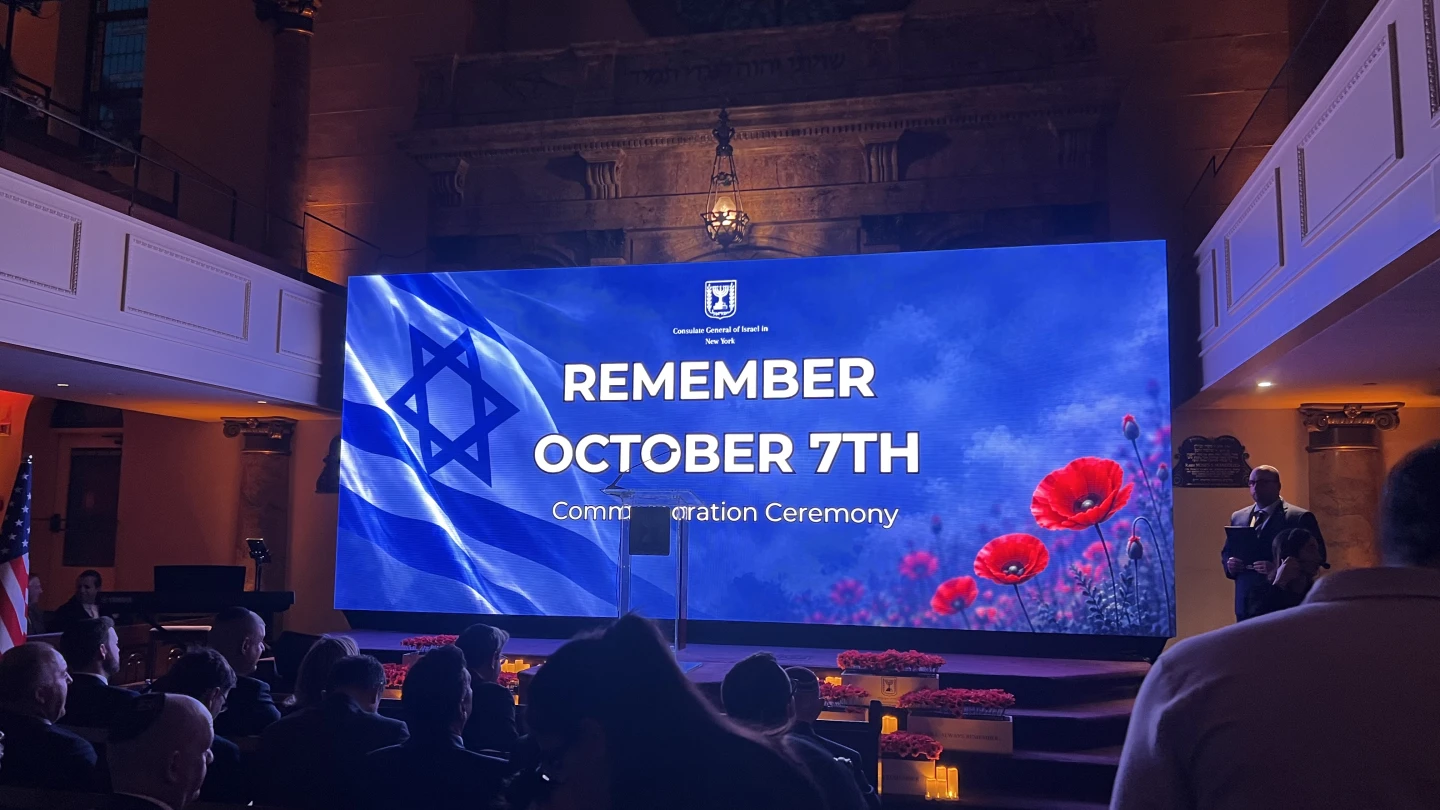
After the Oct. 7, 2023, massacre and the broader regional destabilization that followed, U.S. leadership promised deterrence. A failure to act now would echo another moment—when red lines were declared in Syria over chemical weapons and then quietly erased. Tehran remembers that episode well. So does Moscow. So does Beijing.
This time, Washington cannot afford strategic amnesia.
Israel, for its part, is preparing for the possibility that it will be the first target in any escalation. The logic is simple: Iran may strike Israel to deter the United States. Jerusalem, therefore, faces the familiar dilemma: wait for international action or prepare to defend itself alone.
History suggests it will not wait forever.
The danger is not only for Israel. A Russia-China-Iran alignment testing Western limits represents a direct challenge to the security architecture protecting Europe and the democratic world. Yet parts of Europe still interpret the crisis through old reflexes of anti-Americanism rather than strategic realism.
The world may soon discover that what appears to be a regional dispute is in fact a systemic confrontation.
Wars rarely begin when one side wants them. They begin when one side believes the other will not act.
Today, the Middle East stands precisely at that point.