Newsletter
Newsletter Support JNS

Deputy Quds Force commander dead of heart attack, says Iran

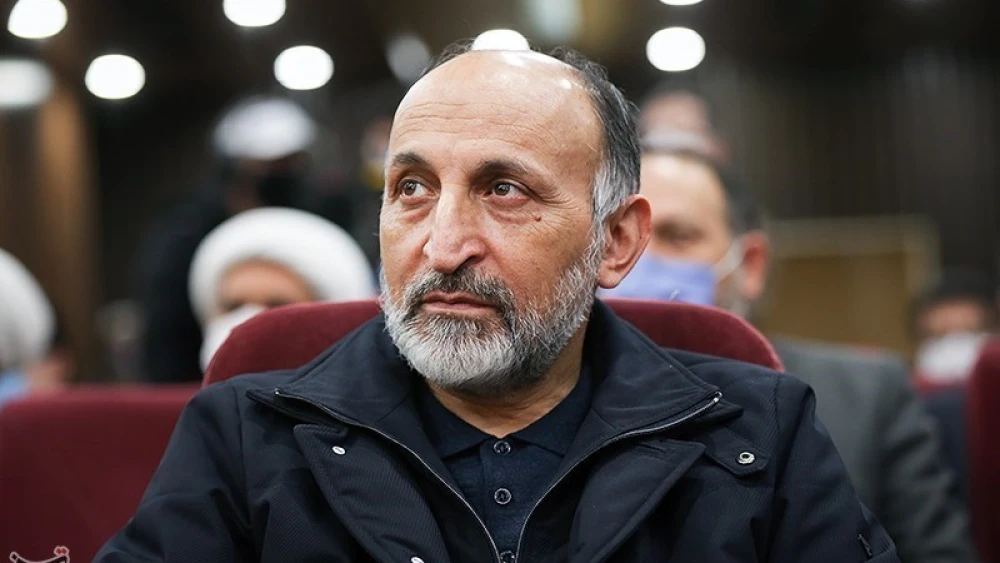
IRGC Brig. Gen. Muhammad Hussein-Zada Hejazi was previously named by Israel as the head of Iran’s precision-guided missile project in Lebanon.

IRGC Brig. Gen. Muhammad Hussein-Zada Hejazi. Credit: Tasnim News Agency.

The deputy commander of Iran’s Quds Force has died of heart disease, the Islamic Revolutionary Guard Corps announced on Sunday.

Brig. Gen. Muhammad Hussein-Zada Hejazi, who died at the age of 65, took up the post in April of last year after leading the IRGC’s force in Lebanon, according to the AP.

The Quds (Jerusalem) Force is the branch of the IRGC that deals with foreign operations and unconventional warfare.

The Israel Defense Forces had previously named Hejazi as the commander of Iran’s precision-guided missile project in Lebanon, under former Quds Force commander Maj. Gen. Qassem Soleimani. Soleimani was killed in a U.S. strike in Iraq in January of last year.

The Iran-backed Hezbollah terror group in Lebanon expressed its condolences in a message to Iranian leader Ayatollah Khamenei, according to Iran’s Tasnim news agency.

“We are very saddened to hear of the passing of General Hejazi, and that while he was at the peak of his jihad and also when the Axis of Resistance needed his blessed presence,” wrote Hezbollah chief Hassan Nasrallah.

“The expansion of our emergency services will help us better care for patients with the most serious injuries, ensuring they receive the specialized treatment they need, when it matters most,” the hospital said.
“My intent was to honor our Jewish neighbors and friends,” Nathalie Kanani stated. “We are all human, and even with the best intentions, honest mistakes can happen.”
The man was recognized by police officers while attending a court hearing of the three other suspects connected to the case.
The U.S. president warned that the U.S. military will begin targeting Iranian power plants and bridges on Tuesday if the Strait of Hormuz is not opened.
The cell posed an immediate threat to Israeli forces in northern Gaza, according to the military.
The event, which was attended by 70,000, comes just over two months after the rapper, also known as Kanye West, publishing an apology letter for antisemitic remarks.