Middle East

It will focus on advancing the Sept. 15 treaty Jerusalem and Abu Dhabi signed in Washington with a particular emphasis on Muslim tourism to Israel, particularly to Jerusalem and the Temple Mount.

The joint U.S.-Israel delegation, led by U.S. Treasury Secretary Steven Mnuchin and Israel’s National Security Adviser Meir Ben-Shabbat, flew to Manama for talks and the signing of a formal peace agreement with the Gulf state.
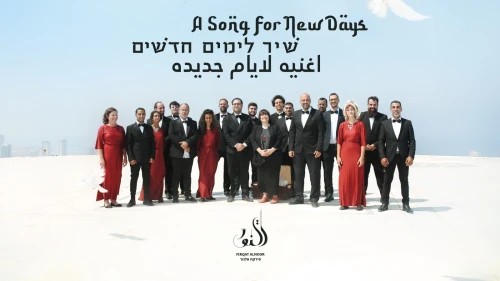
Firqat Alnoor’s Jewish, Muslim, Druze and Christian musicians are dedicated to promoting Arabic music—and coexistence.

“The Palestinian, Arab and Islamic right is all of Palestine. This is our right, and no one can change our minds in this regard,” says Hamas deputy leader Saleh al-Arouri.
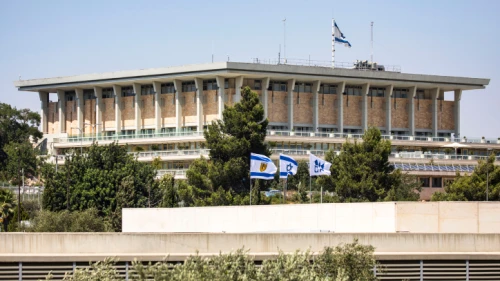
The tally, 80-13, followed a unanimous Cabinet vote on Oct. 12.

He said the Abraham Accords “reflect a changing dynamic in the region, one in which countries recognize the need for regional cooperation to counter Iranian influence and generate prosperity.”

Israeli Prime Minister Benjamin Netanyahu invites UAE Crown Prince Sheikh Mohammed bin Zayed to visit the State of Israel.

Israeli Strategic Affairs Minister: An analysis of Arabic social media indicates an “organized attempt to create negative discourse by those who oppose the peace process.”
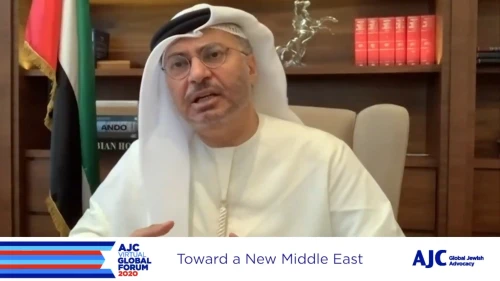
The UAE and other Arab Gulf states have boycotted Qatar since 2017 and have demanded that it close the base.
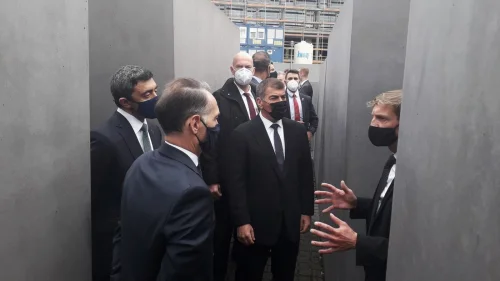
Israeli Foreign Minister Gabi Ashkenazi: “Our signatures side by side in the Book of Remembrance is like a shared cry and oath: to remember and not to forget, and to promise never again.”

The Abraham Accords, signed by the UAE and Bahrain with Israel—and encouraged by Saudi Arabia—sharpened the disputes between Tehran and Riyadh over regional hegemony.
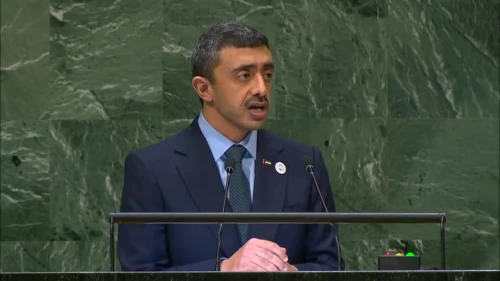
The Gulf nation will work to ensure that its agreement with Israel “opens new intellectual horizons in the region,” says UAE Foreign Minister Sheikh Abdullah bin Zayed Al Nahyan.