Middle East
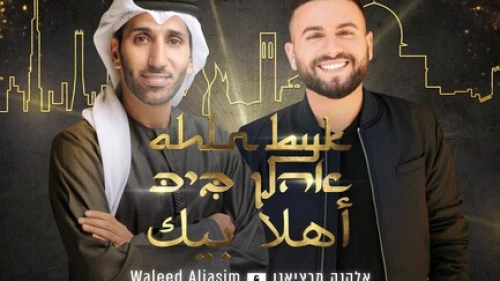
“Hello, friend,” featuring Israel’s Elkana Martziano and the UAE’s Walid Aljassim conveys a message of peace between the two countries.
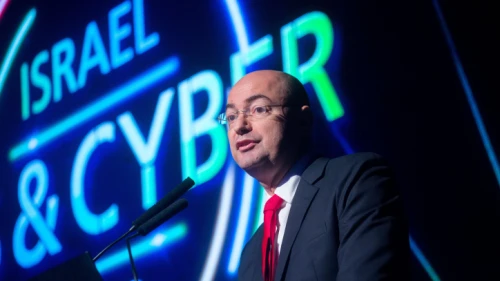
In the wake of the Abraham Accords, “the potential vis-à-vis the UAE is endless,” says Israel’s National Cyber Directorate head Yigal Unna.

“We want to bring everyone on board in hopes that this will allow the Iranian citizens to see that people really want peace in the Middle East, and they are part of this peace,” says U.S. Ambassador to the United Nations Kelly Craft.
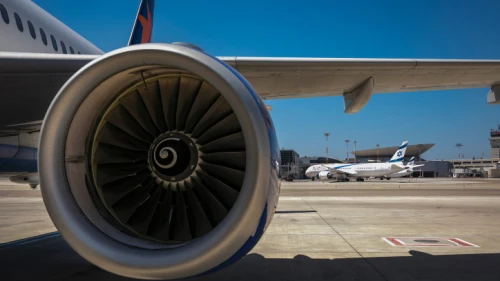
News of the Airbus A320 flight was kept secret until after takeoff due to the sensitivity of the delegation.

Unlike its Gulf neighbors, the UAE does not have the problem of religious extremism, has a clear succession for the presidency and has resolved most of its border problems.

In their first public conversation since the signing of the Abraham Accords, the two leaders talked about economic, technological and tourism cooperation, as well as the Iranian threat.
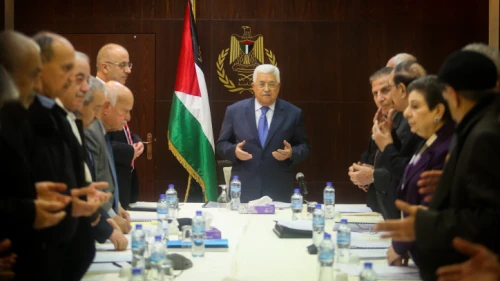
“There is no honor in seeing Arabs rush towards normalization,” says Palestinian Authority Foreign Minister Riyad al-Maliki.
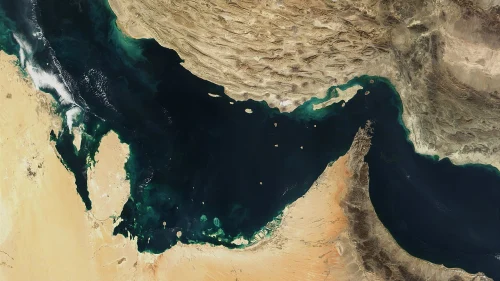
In the wake of the Abraham Accords, will Iran’s fear of a “Zionist presence” in the Gulf region lead it to carry out a Crimea-style invasion of Bahrain, risking a direct confrontation with the United States?
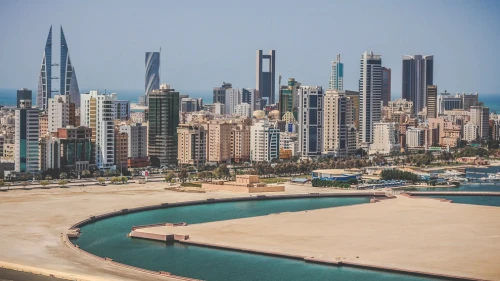
A day after signing a peace agreement with Israel, a pro-Iranian militia in Bahrain announced the establishment of an offshoot to operate against “the Zionist presence” in the country.
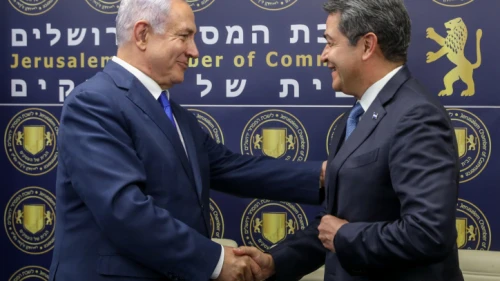
Israeli Prime Minister Benjamin Netanyahu hails the “authentic friendship and steadfast support” that Jerusalem has received from Tegucigalpa.

“May it be a blessed year of realizing peace and stability in the region,” says Bahraini Foreign Minister Abdullatif al-Zayani after Israeli Foreign Minister Gabi Ashkenazi sends a holiday greeting.

“We all agree that building relationships between our partners is a major win for U.S. national interests,” said Rep. Michael McCaul (R-Texas).