Food and Drink

The coronavirus pandemic has changed the way many Israeli families are shopping for the holiday, and is presenting special challenges to the elderly, the disadvantaged and those under quarantine.

The shortage is due to the closure of many kosher slaughterhouses, as well as the outlawing of “shechita” (kosher ritual slaughtering) in certain parts of Europe.

A project called Kosher19 provides meals to Jewish health-care workers fighting the coronavirus, as it also supports kosher restaurants.
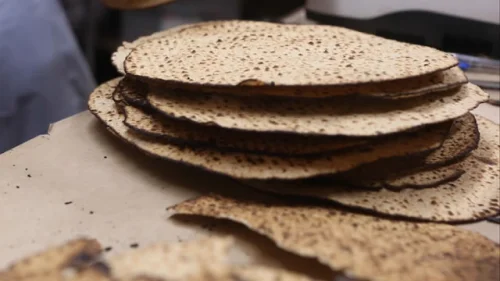
With the coronavirus curtailing travel plans and social interactions, many are facing the prospect of celebrating Passover alone.

Email invitations and send the menu to family and friends ahead of time. Halve the recipes, if need be. Then, on Sunday morning, April 12, set up your mobile or other devices, and enjoy some virtual guests at the table.

To aid the elderly and those under the poverty line, the social-service organization is distributing additional food stamps, arranging food deliveries and providing Passover food kits for those in need.

The International Christian Embassy Jerusalem is working with other charities to pack and deliver food boxes to the doors of hundreds of Israeli seniors who must remain in their homes.

As the country fights the COVID-19 pandemic, the Israel Defense Forces launches a nationwide operation to ensure that the elderly receive food, medical supplies and assistance while in quarantine.

“This first round of grants is a critical part of UJA’s broad effort to support the most vulnerable New Yorkers during this crisis,” said UJA CEO Eric Goldstein.

Barkai Center for Practical Rabbinics and Community Development has created an innovative volunteer food-distribution system for elderly, homebound Israelis amid the coronavirus lockdown.

A recent forecast has reported “extremely alarming” swarms of Desert Locust (Schistocerca gregaria) forming in the Horn of Africa.
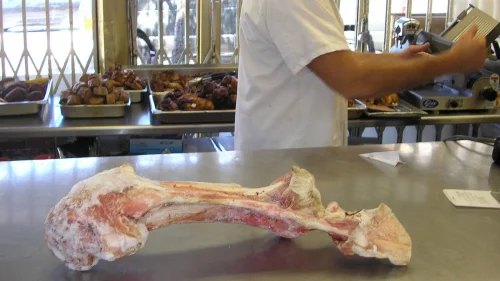
Those in the kosher-meat industry encouraged people not to do their holiday shopping at the last minute.