Jewish Education

In a typical year, more than 12,000 yeshivah and seminary students arrive from aboard annually to study individually and as part of programs around the country.

Nearly 200 Torah personalities from across the Jewish religious spectrum shared their unique perspectives in a “Jewish Unity” event.

Despite the ruling, rumors are circulating that some Orthodox camps have indeed opened in New York utilizing certain “loopholes.”

While many of texts have historical importance and hold tremendous potential for scholars, they are often difficult, if not impossible, to find.

Yehoshua Bedrick, director of policy at EdChoice, told JNS that the decision is “a major victory for religious liberty and for families seeking to provide their children with an education in accordance with their religious tradition and values.”

Due to all the regulations and health precautions that goes hand in hand with the coronavirus, directors of Jewish camps across the United States have made the difficult decision to keep their cabins shuttered.
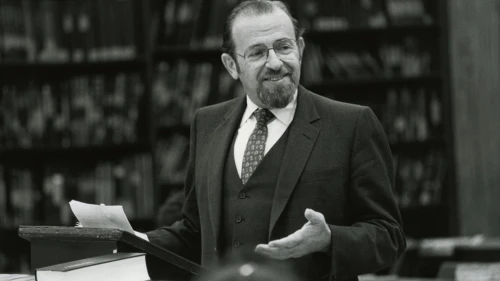
“Donors were attracted to his brilliance, his integrity. He used the various parts in his personality and background to the advantage of fundraising and the university,” relates his son-in-law, Rabbi Mark Dratch.

Jewish day schools were quick to pivot from a traditional in-class setting to online classrooms, and as the academic year winds down, they are taking stock of where they stand, what they have accomplished and how to move ahead in a COVID-19 world.

Students engage in talks with professors, policy experts, writers and rabbis, who share experiences and wisdom with the hope that participants can apply the lessons to their own lives.

“Camp isn’t only a place, it’s a philosophy,” says Carine Warsawski, founder of Trybal Gatherings.

Say hello to Camp Yalla, which will bring entertainment and connections to kids in the most modern of ways.

A rabbi on the global coronavirus pandemic, the holiday of Shavuot, the sacred cycle of the Jewish calendar and a core (at least one) truth.