U.S. Foreign Policy

The new program adds “America First foreign policy lectures” and shifts focus to merit and core diplomatic skills.

European allies have angered U.S. President Donald Trump by refusing to allow American forces to use their military bases during the war against Iran.

Spanish Prime Minister Pedro Sánchez has barred airspace and bases, drawing U.S. anger and criticism from pro-Israel circles.

A new Quinnipiac poll finds most voters also oppose U.S. military action against Iran and disapprove of U.S. President Donald Trump’s handling of the conflict, underscoring a sharp partisan divide.

The Justice Department “will use all of the tools at our disposal to prevent the U.S. banking system from being used in any manner to support Iran and its terrorist operations,” said Assistant Attorney General A. Tysen Duva.

“The world will be a safer place when these radical clerics no longer have access to these weapons,” the U.S. secretary of state said.

The secretary of state warns Tehran’s expanding missile arsenal and bid for ICBMs endanger U.S. forces, allies and the homeland as Geneva nuclear talks resume.

The president says Tehran does not want to face the consequences of not making a deal as a second round of talks opens in Geneva amid a U.S. military buildup.
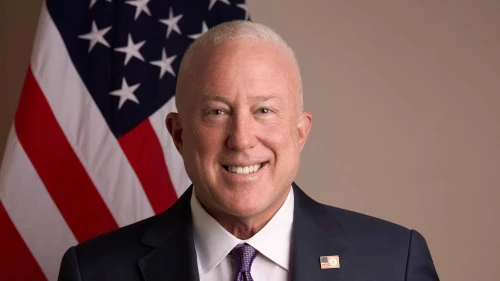
Ambassador Bill White accuses Antwerp authorities of “antisemitic harassment” of Jewish circumcisers.

Possession of a terminal in the Islamic Republic can mean years in prison.

Two U.S. officials said that a military campaign against the Islamic Republic will likely involve weeks of operations.

The redeployment of the USS “Gerald R. Ford” underscores U.S. pressure on Iran as talks continue and military options loom.