Despite the rapid rise of artificial intelligence across Israel’s technology sector, a new Skills Index by Afeka Academic College of Engineering, TheMarker, and the Trump Foundation for Education finds that the skill high-tech managers value most in employees is not AI expertise, but proactivity—the ability to take initiative and drive results independently. The finding highlights a growing emphasis on human skills as employers adapt to an increasingly AI-driven workplace.
The 2026 Skills Index, released this week at the third annual Skills & Tech Conference in Tel Aviv, found that 61% of high-tech managers identified proactivity as one of the most important qualities they seek in employees, ahead of independent work (59%), self-learning (57%), and complex problem-solving (54%).
Now in its third year, the Skills Index reflects Afeka’s long-standing commitment to aligning engineering education with the evolving needs of industry and preparing graduates for the future of work. The Index tracks how employers’ expectations evolve as technology—and particularly artificial intelligence—continues to reshape the workplace.
Conducted by the Rushinek Market Research Agency, this year’s survey included 122 high-tech managers and 238 managers across other industries, all responsible for hiring and managing teams of at least five employees at companies with 25 or more employees. Data was collected between May 18 and June 5.
Key findings
Among high-tech managers, proactivity jumped from seventh place in previous years to first in 2026. Managers across non-tech sectors continued to rank motivation as the most important quality in employees, followed by the ability to work independently and collaborate across disciplines.
While AI proficiency is increasingly valued within the technology sector, it remains far from the top hiring criterion. Twenty-five percent of high-tech managers identified AI skills as important, compared to just 11% of managers in other industries, where AI proficiency ranked last among evaluated skills.
When ranking overall hiring criteria, personal skills topped the list for both groups, ahead of prior work experience, AI experience and academic degrees. Among high-tech managers, AI experience ranked third overall, behind personal skills and work history. Among managers in other industries, AI experience ranked last.
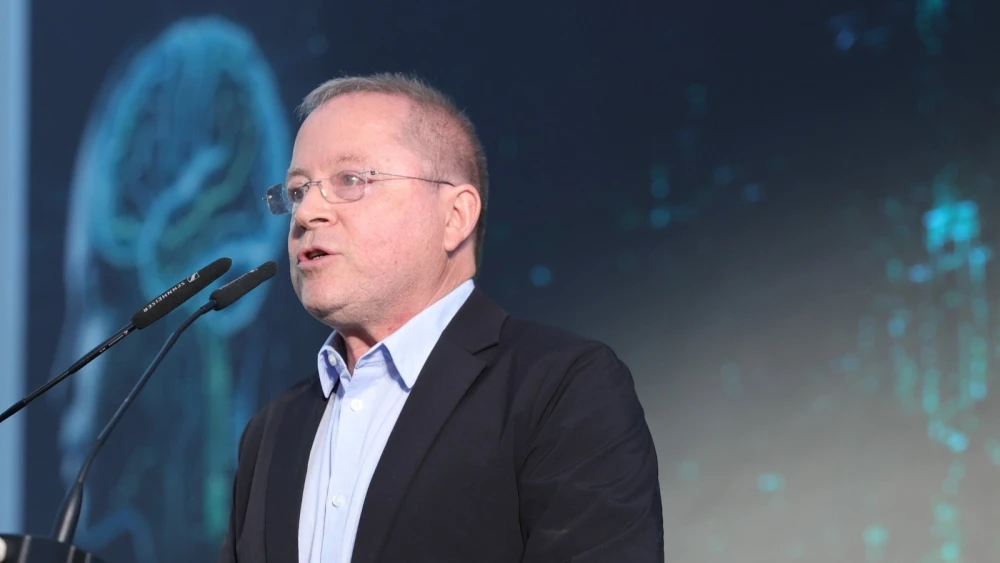
“The data shows that personal skills such as teamwork, critical thinking and independent learning have become essential in today’s workforce,” said professor Yossi Rosenwaks, president of Afeka Academic College of Engineering. “One of the most significant findings this year is the rise of proactivity. Employers are looking for people who can identify opportunities, solve complex problems, collaborate across disciplines and drive initiatives forward independently. The modern job market increasingly rewards personal initiative and adaptability alongside technical expertise.”
The findings suggest that while AI is reshaping the workplace, the skills that matter most remain fundamentally human. While AI is becoming deeply embedded in the technology sector, employers continue to place greater value on qualities such as initiative, adaptability, critical thinking and the ability to learn independently.
The survey results were presented at the Skills & Tech Conference, which brought together senior leaders from Israel’s technology industry, defense sector, academia and government to examine the workforce implications of artificial intelligence. Discussions ranged from junior hiring challenges and the future of engineering education to the role of the IDF in AI development and the risk of a widening gap between sectors that rapidly adopt AI and those that do not.
Nataly Kremer, chief product officer at Check Point Software Technologies, described a significant shift in hiring priorities, saying, “We used to emphasize technical knowledge and capability. Today, the emphasis is on thinking ability, broad perspective, systems understanding, curiosity, and most importantly, critical thinking.”
Kremer also warned that the growing junior hiring gap represents a market failure that may ultimately require government intervention.
Lt. Col. Rotem Bashi, commander of the Israel Defense Forces Matzpen Unit, the IDF’s largest software development and IT unit, described the importance of AI in the military and how it has transformed military intelligence and data analysis over the past two and a half years.
“After two years and eight months of high-intensity conflict, the importance of information and AI is clear to everyone, from technologists to commanders at the General Staff level,” he said.
Bashi added that while AI has not yet replaced personnel within the IDF, workforce efficiencies are expected in the coming years.