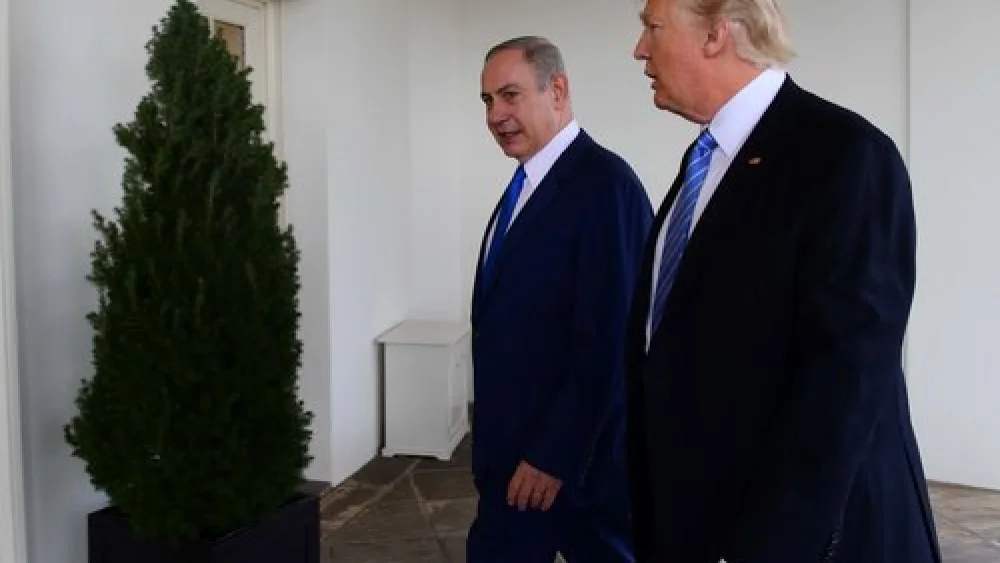

Following a congratulatory call last week from Israeli Prime Minister Benjamin Netanyahu to President-Elect Donald Trump, Israel’s leader made the first move to reinvigorate bilateral ties between the two allies by announcing the appointment of a new ambassador to Washington. Netanyahu, one of the first world leaders to congratulate Trump, announced the appointment of Scranton, Pa.-born Yechiel Leiter to the post.
Leiter’s selection will help dissipate the somewhat strained diplomatic relationship between the United States and Israel. While current Israeli Ambassador to the United States Michael Herzog and U.S. Secretary of State Antony Blinken got along well personally, the Biden administration’s bifurcated policy of military support for the Jewish state contrasted with political pressure to limit Israel Defense Forces operations against terrorists in Gaza, Lebanon and Iran.
Trump could immediately dispel any lingering tension in bilateral relations fueled by the Biden administration’s attempt to pressure Israel to conform to wartime policies that favored the domestic standing of the Democratic Party. Trump could perform this diplomatic coup by publicly dismissing as unrealistic the long-held policy objective by State Department Arabists of a two-state “solution” to settle the Arab-Israeli conflict.
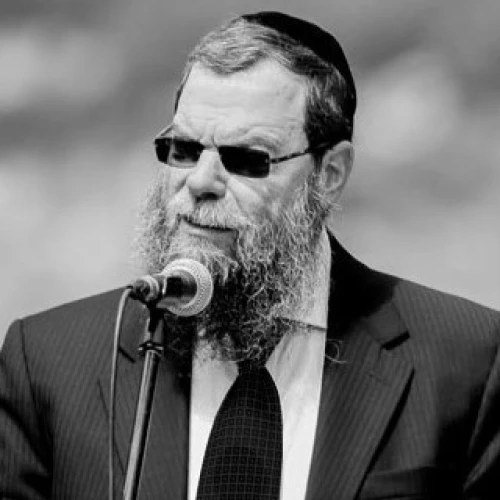
The incoming president could receive Israel’s new ambassador by establishing another high point in the alliance by pledging support for new “settlements” in Judea and Samaria. Leiter is a significant supporter within Israeli society for expanding existing and developing new Jewish communities in Judea and Samaria. Leiter might do well to invite prominent officials in the settler movement to its embassy in Washington to meet with American officials responsible for U.S. policies in the Mideast. Two such notables are the chairman of the Yesha Council, Israel Ganz, and head of the Samaria Regional Council, Yossi Dagan. Even mayors of thriving large, urban Israeli areas in Judea and Samaria—like Beitar, Ma’aleh Adumim, Ariel and Gush Etzion—could come to testify before relevant congressional committees.
Failing this, Trump could promise even before his inauguration to remove sanctions imposed by the Biden administration on at least four Israeli citizen settlers. Specifically, these citizens of Israel have interests in the United States. Moreover, about 15% of current residents in Judea and Samaria are U.S. citizens, which computes to about 65,000 Americans. Many of these U.S. citizens presumably voted for Trump in the most recent presidential election. Trump’s new National Security Council officials for Mideast policy should sequester any past unsubstantiated accusations against IDF units for alleged abuses fighting the Hamas terrorist group in Gaza.
The two “comeback” lions of Israeli and American politics have much to discuss as they usher in a new era in the alliance, most importantly, how to coordinate strategic policy against the Islamic Republic of Iran. Related to this issue will be how to expand the “Abraham Alliance” in a delicate effort to convince the Arab Sunni Muslim oil giants of the Arabian Peninsula to seek membership in the fold.
Additionally, it is paramount to end speculation among U.S. officials that Washington would countenance future blackmail policies to “go slow” on the delivery of needed-weapon systems for IDF operations against state sponsors of terrorism like Iran and Syria and their terrorist substate groups like Hamas, Hezbollah, Houthis and the pro-Iranian gangs in Iraq.