Newsletter
Newsletter Support JNS

Eyal Zisser

Eyal Zisser is a lecturer in the Middle East History Department at Tel Aviv University.
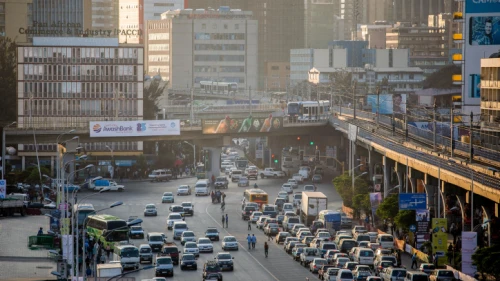
Restoring peace and stability to Ethiopia is a supreme interest for the country’s own people, its neighbors in Africa and for far-flung Israel.
Although the U.S. administration has plenty of spare time to squabble with Israel over the opening of a Palestinian consulate in Jerusalem, it has neither the energy nor the will to confront Tehran.
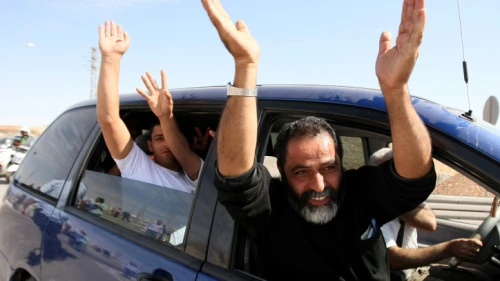
Hamas knows that Israelis have a soft spot for captives, but this doesn’t mean we have to play on its turf.
As Ethiopia charges ahead with its dam on the Nile River, there isn’t really much Israel can do about it.
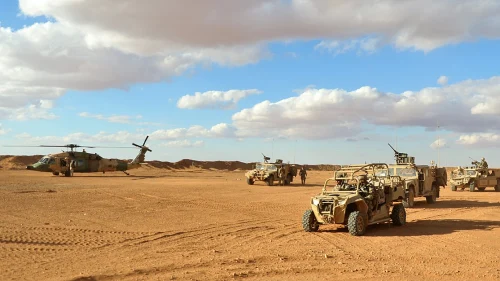
The rosy predictions that the Afghan government would face down the Taliban have been replaced by rosy predictions that the Taliban 2.0 is more “moderate.”
One can only hope that the 2021 Taliban has learned the lessons of both the 2001 Taliban and Islamic State.
Concerns in France—and in Washington—about Israeli firm NSO Group are tainted with quite a bit of hypocrisy.
Many in Israeli Arab society are aware of the opportunity that life in Israel offers in terms of escaping the cycle of violence—they need to be nurtured.
The impending collapse of the state systems on which Hezbollah relies threatens to take the Shi’ite terrorist group down with it—but Israel must not let down its guard.
Unlike former President Donald Trump, who disengaged from the Middle East by bolstering the anti-Iranian axis and ensuring the security of U.S. allies, President Joe Biden is reneging on previous commitments and appeasing America’s enemies.
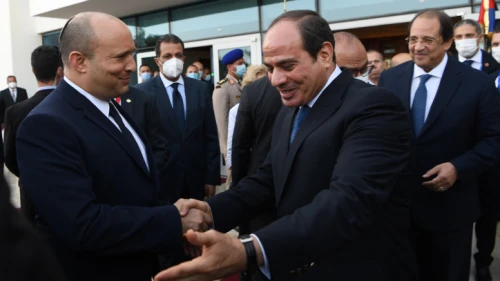
While the Arab world is keeping mum about the political upheavals in Israel, Tehran is rushing to celebrate the “end of the Netanyahu era.”
Israel’s desire to maintain ambiguity with regard to its military operations is understandable, but also comes with distinct disadvantages.