Newsletter
Newsletter Support JNS

Israel decides to delay ‘Green Pass’ mandate for malls

“There are many arguments and objections behind the scenes,” said cabinet ministers involved in the discussion.

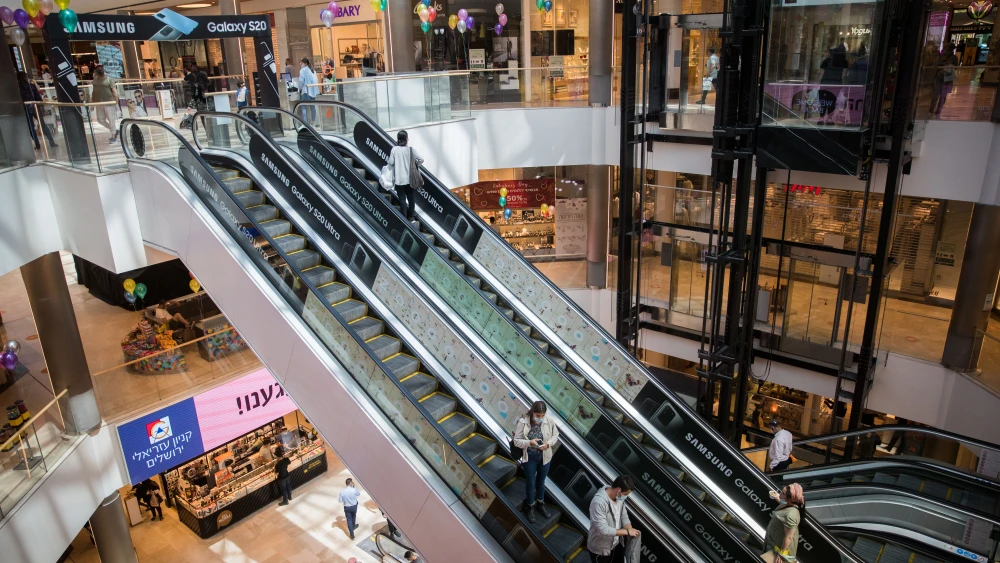
People at the Malha Mall in Jerusalem after it reopened according to the new Israeli government orders, May 7, 2020. Photo by Yonatan Sindel/Flash90.

The proposal to implement the “Green Pass” mandate for shopping malls was planned to go into effect on Friday but was delayed since the cabinet meeting failed to reach an agreement.

“There are many arguments and objections behind the scenes; there are tough conversations with the shopping mall [store] owners, which involve legal threats,” Ynet news quoted some ministers involved in the discussions as saying.

Another source said that the government still is looking to implement the measure.

A government source told Ynet that Israeli Prime Minister Naftali Bennett wanted to make the “Green Pass” mandate stricter, but other ministers argued against it. Israel’s Ministry of Economy and Industry argued for the malls simply to limit the number of people allowed in stores instead of implementing the pass.

The Knesset’s Constitution, Law and Justice Committee approved the bill 9-0 as the opposition boycotted the vote, mainly on procedural grounds. It now moves to the Knesset plenum for the first of three votes.
Israeli winemakers hope the designation will boost tourism and encourage the opening of new wineries.
“Project Spire” aims to create a highly secure campus in southern Israel, according to a Hudson Institute report.
Maj. (res.) Itamar Sapir, 27, lived in the Samaria community of Eli with his wife and baby son.
Barbara Feingold, a board member at the Republican Jewish Coalition, which spent $5 million supporting Gallrein who defeated Massie, told JNS that voters “don’t want someone who is a blatant antisemite.”
Deena Margolies, of the Brandeis Center, told JNS that antisemitism in healthcare is a bigger problem than a single union or doctor and is becoming “normalized.”