Jewish and Israeli Holidays

Once a way to use up old cheese and stale bread, it became the “go-to” dinner-party dish in the 1960s and ’70s.

Besides a place of blessing, the sukkah was designed to be truly lived in, including working or doing homework, sleeping, and, of course, eating (and for hosting friends and family).

“Such attempts at spreading hatred will never be tolerated in this city,” posted the Friends of Simon Wiesenthal Center on Twitter.

The Day of Atonement is the holiest date on the Israeli calendar. For many it is day of fasting and prayer. For others, it’s a unique chance to enjoy empty roads.

Disability advocates urge Jewish communal leaders not to overlook accessibility during High Holidays
Many in the field are concerned that when it comes to synagogue services and other religious requisites, the wide-ranging needs of this population may not be adequately met, particularly as the pandemic continues in many places.

This incident came days after university officials announced a new initiative to faculty and staff that seeks to “understand how anti-Semitism manifests itself at Tufts.”

“On this day, I am strong enough to rid myself of some unbecoming things I’ve picked up on the road and return home, picking up some beautiful mitzvahs along the way. On this day, I will experience not so much atonement as at-one-ment, returning to the One who sees and embraces me for who I am,” says Rabbi Tzvi Freeman.
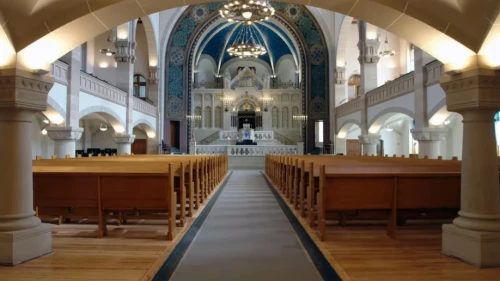
“Usually, it’s a balagan (Hebrew slang for ‘mess’), and it’s beautiful. This year, it’s regulated from both sides, but it works,” said Jana Erdmann, head of press and communications for Chabad’s Jewish Educational Center in Berlin.

One year after the Abraham Accords were signed, locals from communities in Gulf states have taken a keen and public interest in the Jewish New Year and its traditions.

The town hall drew rabbis and communal leaders from throughout the San Fernando Valley and West Los Angeles, and highlighted the action plans of LAPD, especially during Rosh Hashanah and Yom Kippur.

During the roughly 16-minute-long teleconference, Biden lamented the rise in anti-Semitism in the United States.

The conversation resulted in a “meaningful exchange of views” and an opportunity to exchange greetings in advance of Rosh Hashanah.