The death of Queen Elizabeth II took the world by surprise. Although she was 96, it was as if she had been with us forever. This was partly because of her impressive presence, her beaming smile that gave the impression that she was about to confide some secret to you and her clear stance on the things that mattered. The queen remained above the fray and stayed true to tradition, but she also knew when to depart from convention and put her foot down.
Although few met her personally, many in the U.K. now feel orphaned and deserted. Many Israelis share this sense of British grief and have found a way to express this sorrow. But why should Israelis care about the queen, whose only meeting with an Israeli head of state took place 50 years after Israel’s independence, in 1997, when she met then-Israeli President Ezer Weizman?
That meeting was moving to all participants. Weizman told her that he had the privilege of defending the British Empire when he was a pilot in the Royal Air Force under her father, King George VI. I can still recall the awe on the face of the Queen Mother, who took the unusual move of joining the state dinner. Who knows what other great conversations the queen would have experienced had she decided to accept more such visits by Israeli presidents.
When I became ambassador to the Court of St. James and arrived at the palace to present my credentials, the queen was most captivated by the issue of mandatory military service for women in Israel. She told me how, during the war, women were required to join some form of national service, and this helped make Brits come together. When she and Prince Philip met my son Tomer at the traditional tea party after the event, she was very keen on him talking about his military experience.
Now King Charles III is in charge. After the tears dry, he will have to deal with ongoing criticism over the very existence of the monarchy. It appears that the queen’s larger-than-life persona helped fend off any meaningful action on that front. But eventually, the new king will have to make a compelling case for keeping the system as it is and convince all four nations of the United Kingdom why, even in 2022, there is still a need for a royal sovereign. Will he manage to preserve the status of the House of Windsor by dealing with burning issues or by leveraging his clout to help resolve international conflicts? Only time will tell.
Charles assumes not just his mother’s crown but also has to step into her massive shoes after she had successfully become the linchpin that glued together an entire kingdom and the British commonwealth, as well as her own family. Expectations are sky-high and he will have to deal with a new world that is now represented by Prince William and his wife Kate. He will have to make his own unique imprint in this new world, and he could start doing so by making a royal visit to Israel.
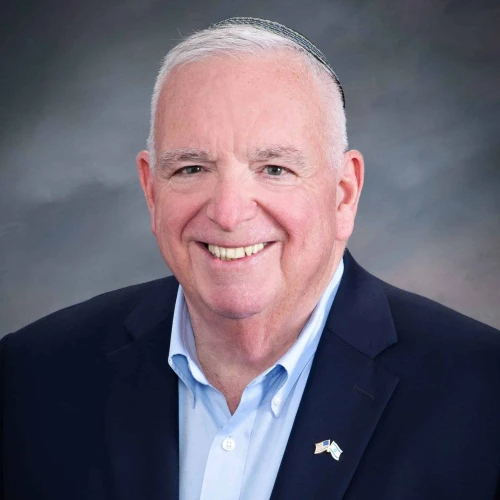
Ron Prosor is the Israeli ambassador to Germany. He previously served as Israel’s ambassador to the U.K. and ambassador to the U.N.
This article was originally published by Israel Hayom.