United Nations

“Iran’s pace of missile activity, including missile launches and tests, did not diminish since the JCPOA. In fact, Iran’s missile testing and missile proliferation is growing,” said the secretary of state.
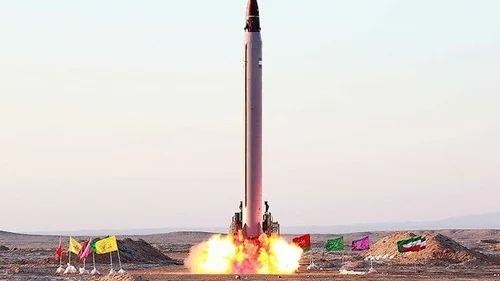
In 2018, Tehran has conducted almost double the number of missile tests over last year, according to a German daily. This year’s missiles consist of seven medium-range and five short-range ones.

Brazil’s president-elect Jair Bolsonaro ran as an anti-establishment candidate who would blaze a new path, including on foreign policy.
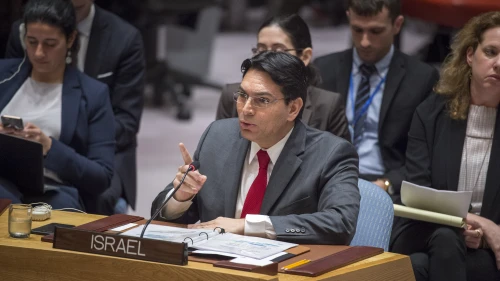
The fruits of this labor were on display this week when the U.N. General Assembly considered a U.S.-sponsored resolution condemning the Palestinian terrorist group Hamas for the first time. The resolution received strong support, especially from Israel’s allies in Europe and elsewhere.

“We hope she will continue in the path of Ambassador Nikki Haley as a strong supporter of Israel, calling out the bias against it within the U.N. system, and pointing to Iran as a major source of global instability,” said B’nai B’rith International CEO Daniel Mariaschin.

In remarks just before what is one of her final acts as U.S. Ambassador to the United Nations Nikki Haley told her fellow members that the resolution could mark “a historic day” or just “another day.”

“Hamas is part of the Palestinian people, and we won’t accept any attempt to add it to the list of terror groups,” said Azzam al-Ahmed, a senior Fatah official.
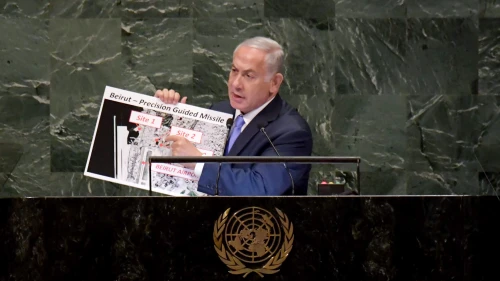
It comes as Israel launched “Operation Northern Shield” to destroy tunnels built to infiltrate Israel.

If you were to believe the headline at “The Independent” (of a story cross-posted from “The Washington Post”), you would believe that CNN fired political commentator Marc Lamont Hill merely for criticizing Israel and calling for a “free Palestine.”
The first, titled “The Syrian Golan,” passed with 100 votes in favor, 12 against and 62 abstentions.
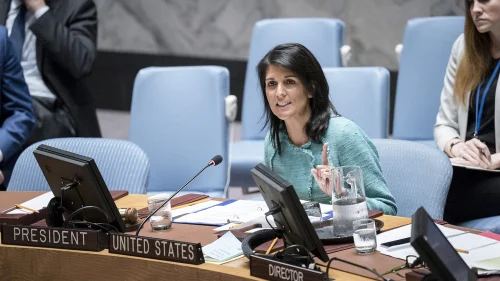
Were it adopted, it would mark the first time that the General Assembly condemns Hamas.

Some 70 years after the expulsion of 850,000 Jews from Arab states and Iran, the heads of communities of Jews from Arab countries are demanding that the United Nations officially recognize their suffering.