Diaspora Jewry

The foiled takeover of a plane in the USSR prompted worldwide involvement in the Soviet Jewry movement, even though those in “Operation Wedding” paid a price for their actions.

The gathering also marked the launch of an international center in Jerusalem that will chronicle the history and culture of Jews in the region.

Rabbi Yaakov Menken, managing director of the Coalition for Jewish Values, said “instead of a cold détente attained via surrender to unreasonable demands, these new agreements promote peace based upon common security needs and mutual medical, technological and financial benefits.”

Israel’s Diaspora Affairs Minister Omer Yankelevich said on the eve of Hanukkah that “only together can we, as one nation, spread light throughout the world.”

The project aims to help global Jewry celebrate its diversity and act upon its shared values by working together to build a brighter future for the Jewish people and all humanity.

In marking the expulsion of 850,000 Middle East and North African Jews, and in the backdrop of the recent Abraham Accords, a common thread among speakers was that Mizrahi Jews can play a particular role in furthering Israel’s relationship with Arab and Muslim countries.
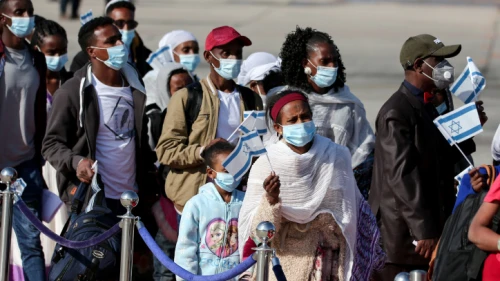
“I do not remember, for many years, when I have been moved so much at a sight of such refined Zionism that expresses all of its significance,” says the Israeli premier.

“Jews come in many shapes and colors, whether they look European, Middle Eastern, black, etc. This campaign can help people understand this concept of the diversity of Jews,” says Eden Abraham Bouskila, 19, a CAMERA Fellow at UC Davis in California.

Hundreds of organizations representing Jews of all religious and ethnic streams have signed up to join the Nov. 28 “Kaddish Initiative.”
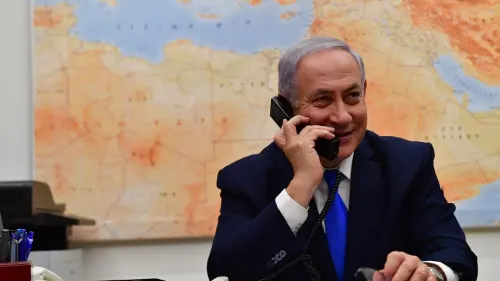
“We’re waiting for you. You should really feel at home,” the Israeli prime minister told a newly paroled Jonathan Pollard.

Home to as many as 450,000 Jews, in many ways it is similar to Michigan, Wisconsin and even Georgia when it comes to the politics that led to it being so contested this election season.
Two days after his parole restrictions were lifted, released Israeli spy Jonathan Pollard elaborates on his plans for the future.