Diaspora Jewry

New immigrants on the early-June group flight ranged from the oldest, 87, to a year-old baby.

“I’m not an experienced environmental activist, but I suddenly saw the state of the beaches here and unlike France, this is my country,” said new immigrant to Israel Samuel Guelem.
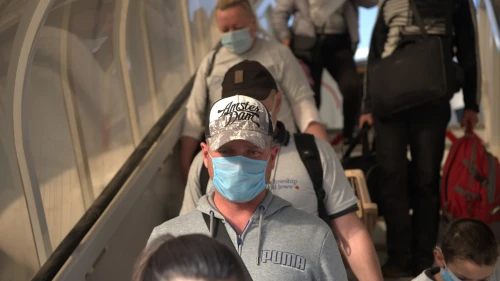
Applications for aliyah in the spring of the coronavirus are breaking records, as Jews in the Diaspora see Israel as a safe haven.

Through online dialogue, meetings and webinars, Israelis share their innovative projects that can provide individuals and communities with ideas as they work to adapt to the coronavirus crisis in the short and long term.
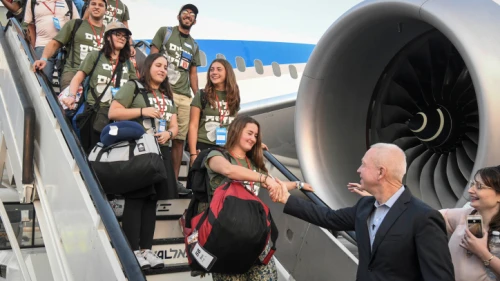
Nefesh B’Nefesh reports an all-time high in new requests with more than 800 households applying to move to Israel in the next few months.

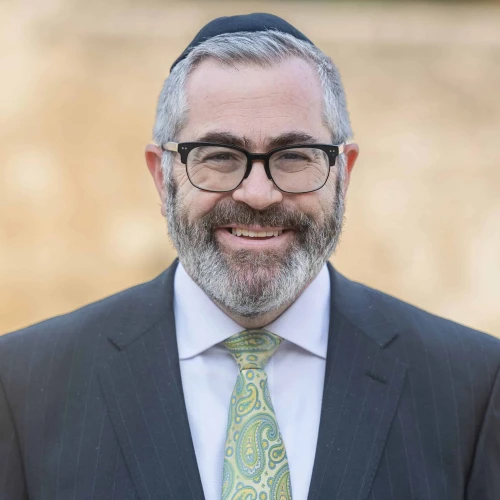
“Looting, defacing and damaging property only serve to diminish the cause of justice, and do nothing to address the root causes of racism that should concern all of us,” said Simon Wiesenthal Center executive director Rabbi Meyer May.

“They’ve made it home, and I’m extremely moved,” said newly minted Minister of Aliyah and Integration Pnina Tamano-Shata.

With the coronavirus having halted travel to Israel for months, being in Jerusalem to commemorate the day it was liberated and reunited in 1967 is a far-off dream for Jews in the Diaspora—for now, at least.

Jews worldwide are moving up plans to immigrate to a place they view as safer and better-positioned for economic recovery.
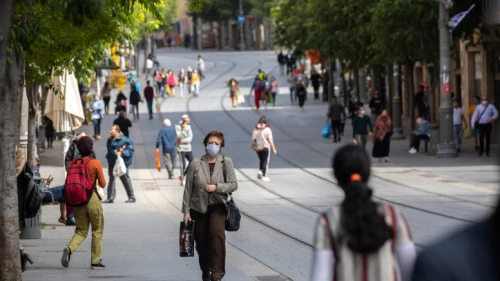
According to figures released by the Central Bureau of Statistics ahead of Jerusalem Day, the capital’s population is nearing 1 million.

Additionally, rules regarding family reunification for Jewish spouses and parents will be eased.

“We will need to consider which activities to run, who can attend and what the maximum number will be,” said Rabbi Ephraim Mirvis. “Events such as Kiddushim may not be possible for some time.”