Newsletter
Newsletter Support JNS

Al-Aqsa mosque prayer banned during Ramadan due to coronavirus fears

The Jordan-appointed council that oversees Jerusalem’s Islamic sites calls the decision “painful,” though says it is “in line with legal fatwas [Islamic religious rulings] and medical advice.”

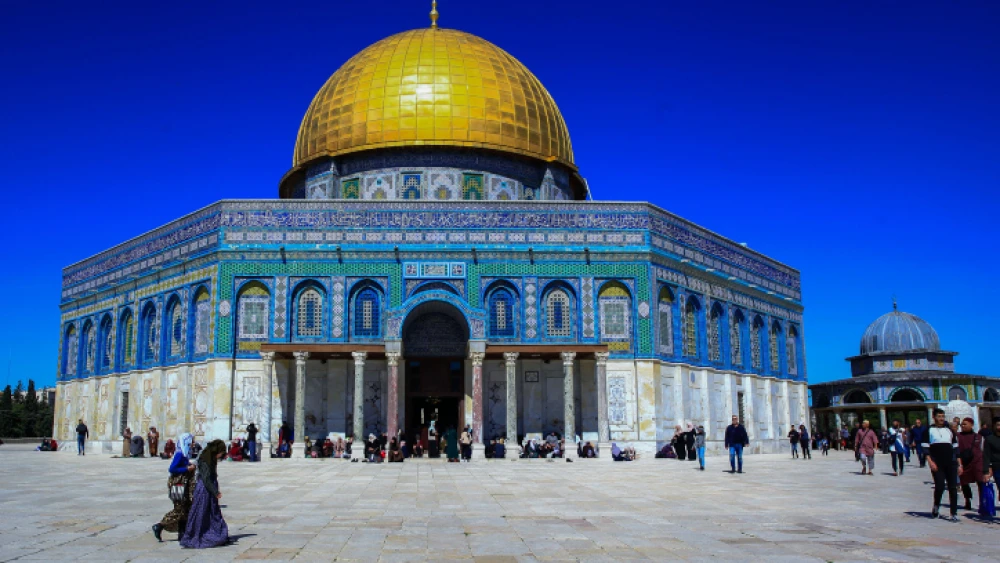
Muslims visit the Al-Aqsa mosque compound in Jerusalem's Old City, on Feb. 28, 2020. Photo by Sliman Khader/Flash90.
Muslims visit the Al-Aqsa mosque compound in Jerusalem’s Old City, on Feb. 28, 2020. Photo by Sliman Khader/Flash90.

Prayer at the Al-Aqsa mosque in Jerusalem’s Old City will be banned during the Muslim holiday of Ramadan in order to help stop the spread of the coronavirus, Muslim clerics said on Thursday.

The Jordan-appointed Waqf council that oversees Jerusalem’s Islamic sites called the decision “painful,” though said it was “in line with legal fatwas [Islamic religious rulings] and medical advice,” according to Reuters. The decision extends an already existing suspension of prayer at the site that has been in effect since March 23.

Muslims should “perform prayers in their homes during the month of Ramadan, to preserve their safety,” said the council.

Many thousands of Muslims typically visit the mosque each day during the month of Ramadan.

The Western Wall in Jerusalem’s Old City hosted the traditional Passover priestly blessing service during Passover earlier this month, but unlike in previous years when the plaza was packed with worshippers, the service was kept to an absolute minimum this year due to the coronavirus (COVID-19) outbreak.

The two heads of towns on the Lebanese border oppose relocation as residents receive short “reprieve” hotel stays instead.

“The expansion of our emergency services will help us better care for patients with the most serious injuries, ensuring they receive the specialized treatment they need, when it matters most,” the hospital said.
“Once again your decisive leadership brought another great victory to America,” the Israeli leader says.
“My intent was to honor our Jewish neighbors and friends,” Nathalie Kanani stated. “We are all human, and even with the best intentions, honest mistakes can happen.”
The man was recognized by police officers while attending a court hearing of the three other suspects connected to the case.
The U.S. president warned that the U.S. military will begin targeting Iranian power plants and bridges on Tuesday if the Strait of Hormuz is not opened.