Jewish and Israeli Holidays

U.S. Sen. Mitt Romney (R-Utah) and Sen. Chris Murphy (D-Conn.), met with other Israeli officials, including U.S. Ambassador to Israel David Friedman, to discuss current issues in the region.
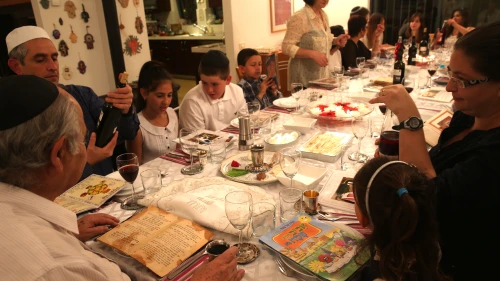
Year after year—in fact, twice a year outside of Israel—we sing the songs of the Passover Haggadah. The same old, same old songs. But spicing up the seder singing doesn’t need to be a hopeless cause.

Rabbi Shalom Ber Stambler, chief rabbi of Chabad in Poland, will host some 100 Diaspora Jewish families of ghetto survivors to celebrate the Jewish festival of redemption.

Muhanna’s channel has more than 13,000 subscribers; the 47-minute-long video at issue has already been viewed nearly 25,000 times.
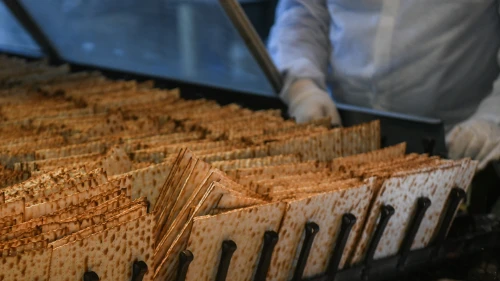
If you’ve never heard an Arab calling out “alter zachen” (“old things”) in Yiddish, then you’ve never experienced pre-Passover preparations in Jerusalem. It’s part of the clean-up mania that grips the city in the run-up to the holiday.

Some 25 tons of matzah is being distributed to vulnerable populations in the former Soviet Union; Passover aid is on its way to Jews in Egypt.

“We are continuing to move forward, to act with full force, as well as to expand our activities and help other people,” said International Fellowship of Christians and Jews Fellowship president Yael Eckstein, honoring the memory of her father, Rabbi Yechiel Eckstein.

“There aren’t enough rabbis as chaplains in the military, so guys like me have to step up,” said U.S. Capt. Sanford Cohen. “This is the place—the army, the military—to do the most good ... not just for the Jews but the non-Jews.”

An estimated 4,000 Jews lives in Poland, though experts suggest there may be tens of thousands more who, to this day, are either hiding their identities or are simply unaware of their family heritage.
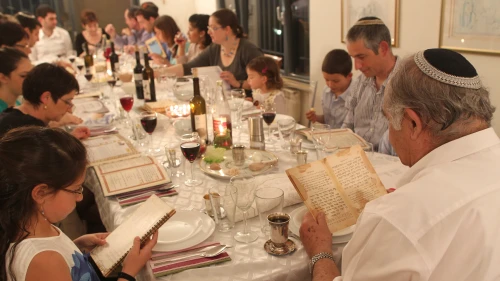
There’s an art to preparing traditional foods that retain the power to pass on to the next generation this beloved family holiday while eating smart, creating a Passover that’s healthful without losing its soul.

Try featuring one seder with Ashkenazi accents, adapted to add generous amounts of fruits and vegetables, and the other featuring a Sephardic meal, with its fish and healthy Mediterranean influences.

That strong connection to Jewish community and tradition has never been as important as it is today in the face of increasing anti-Israel pressures on many campuses.