On July 20, 2023, Zohran Mamdani, then a state assemblyman, led supporters at a rally promoting his “Not on Our Dime” campaign, repeatedly invoking a single word, “exception,” asking, “Who is ready to end the exception? … If New York State stands for justice, there can be no exception!” He framed his argument as a moral absolute—fairness without carve-outs, public policy without favored beneficiaries.
Absolutist rhetoric invites scrutiny. When a politician insists there can be “no exception,” voters are entitled to examine whether that principle is applied consistently.
Two months later, Mamdani sponsored legislation A.7113, amending New York’s liquor licensing rules to allow alcohol service at the Museum of the Moving Image in the Astoria neighborhood of Queens, N.Y., on the same block as an elementary school. Under state law, liquor licenses are generally prohibited within 200 feet of a school.
The amendment created a narrow carve-out allowing alcohol service at that specific location. The bill passed both chambers and was signed into law by New York Gov. Kathy Hochul, creating a statutory pathway for the museum to obtain a license.
The sequence of events also invites attention.
In September 2023, shortly after the amendment passed, Aziz Isham became the museum’s executive director. Public records show that Isham donated to Mamdani’s mayoral campaign, and the museum lists Mamdani as a supporter. Mamdani has appeared at museum events multiple times and highlighted the institution during his mayoral inauguration speech, telling the crowd: “Two Sundays ago, as snow softly fell, I spent 12 hours at the Museum of the Moving Image in Astoria, listening to New Yorkers from every borough as they told me about the city that is theirs.”
None of this in itself establishes impropriety. Cultural institutions often maintain relationships with elected officials, and legislators frequently support projects in their districts. But it does raise a broader question: How are exceptions determined and for whom? The issue is consistency in the application of principle.
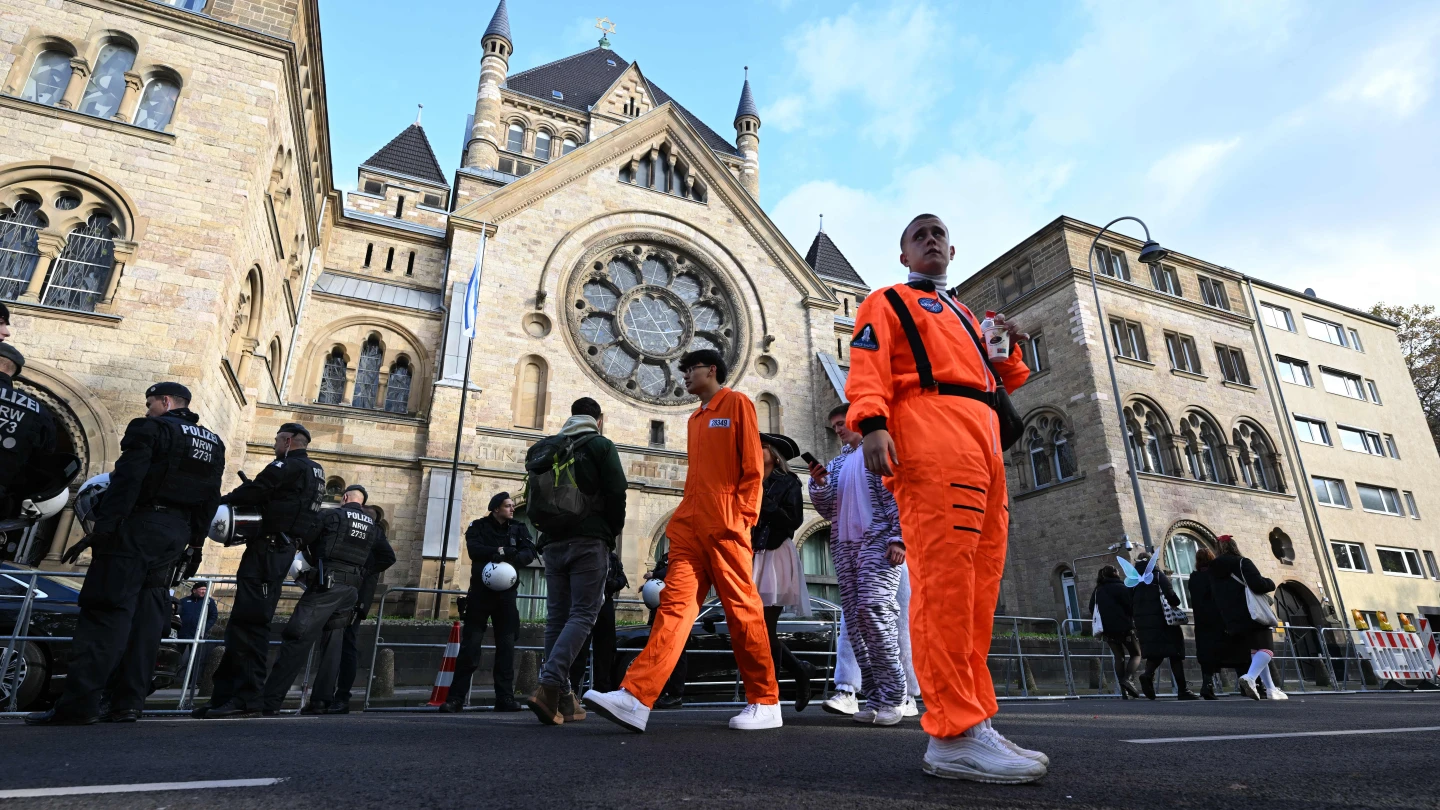
In other areas, Mamdani has moved swiftly to revoke policies affecting Jewish institutions and communal concerns. He eliminated an Eric Adams-era executive order calling for the evaluation of protest buffer zones around houses of worship, including synagogues. Under current proposals, demonstrations near such institutions would be subject to far narrower restrictions.
He also rescinded the city’s adoption of the International Holocaust Remembrance Alliance (IHRA) working definition of antisemitism, signaling a retreat from formal recognition of threats to the community. The contrast is striking: Legislation created a narrowly tailored benefit for one institution, while policies affecting Jewish communities were scaled back.
Whether one agrees or disagrees with those decisions, the disparity becomes harder to ignore.
When it came to facilitating alcohol service at a favored cultural institution, legislation was drafted with surgical specificity. When it came to concerns raised by Jewish communities about protest activity and antisemitism, the city’s policies shifted toward narrower restrictions rather than broader protections. At the very least, is inconsistent with Mamdani’s public brand of standing up to the “elite.”
A.7113, the liquor license, may seem minor in isolation, affecting only museum visitors who want a drink during a screening. But public trust is often shaped by small decisions that reveal governing philosophy. Mamdani built his reputation on talk of equity, fairness and ending exceptions for the elite, and the dissonance highlights a potential inconsistency between rhetoric and action.
Consistency is not a partisan demand; it is a baseline expectation of public integrity. If “there can be no exception” is to function as more than a slogan at rallies, it must apply universally—not selectively.